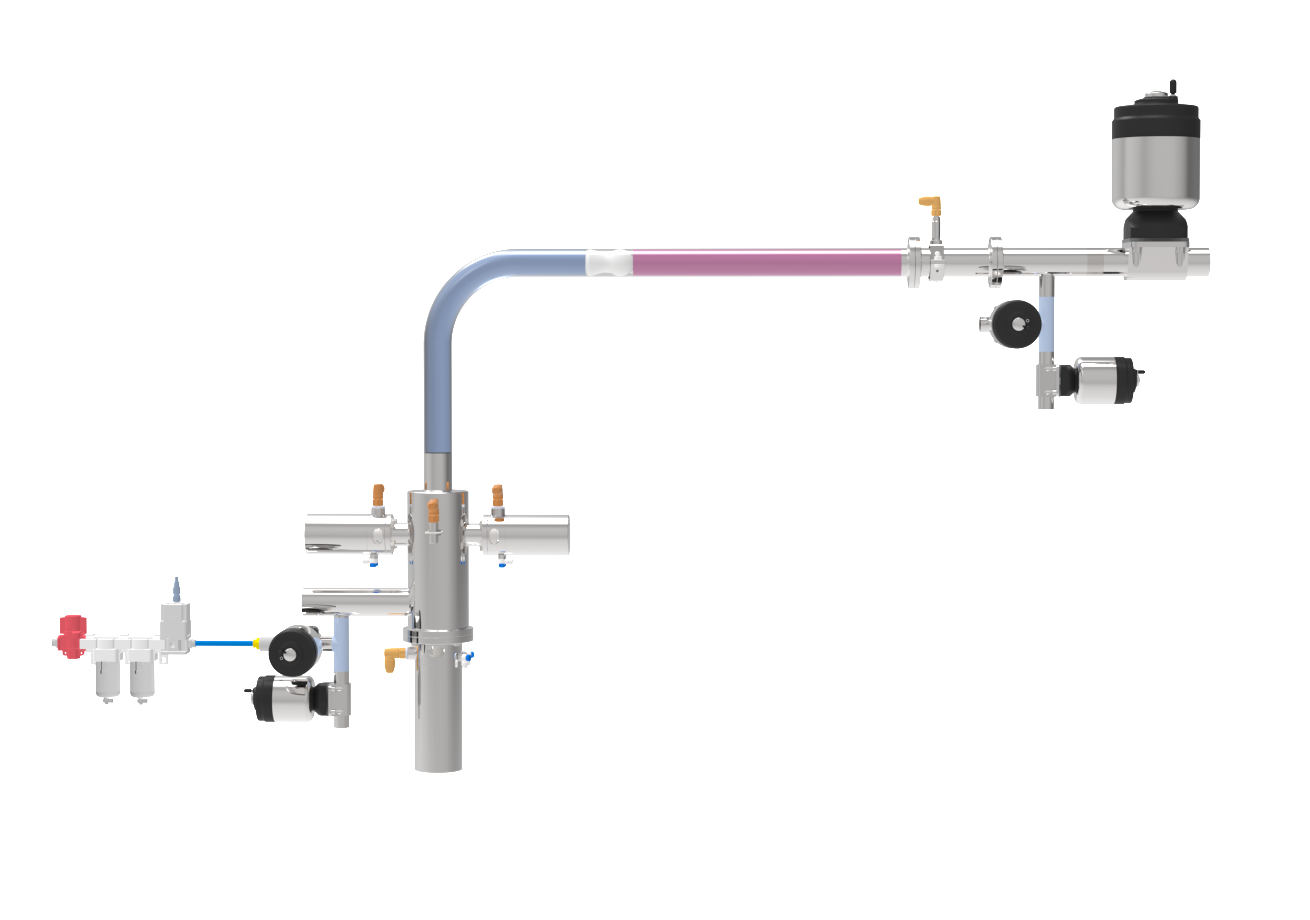
Increasingly prevalent typical clothes washing sector, slugging methods furnish a remarkable asset in using laundry detergent. This modern method minimizes loss of potent formula by utilizing a slug to force it through the pipe – effectively emptying the tank. Familiarizing yourself with the concepts of these mechanisms can provide lower costs and a improved green practice.
Pigging Methods Reshape Detergent Logistics
The typical method of delivering fabric-washing detergent presents notable challenges, often leading to spillage and poor performance. However, a new approach – pigging systems – is wholly shifting how corporations handle these massive materials. These systems utilize a soft "pig," a dense device, to urge the detergent through a line, competently eliminating voids and ensuring nearly complete product recuperation. Benefits include minimized spillage, improved functionality, and a minimized environmental effect.
- Minimizes detergent residue
- Elevates production functionality
- Favors eco-friendly practices
Enhancing Detergent Movement via Pigging Devices
Improving operation in fabric cleansing facilities often involves addressing issues related to detergent dispersion. Traditional systems frequently experience discard due to residual detergent clinging to pipes and lines, leading to increased operational budgets. Pigging techniques, originally utilized in the petroleum industry, provides a compelling resolution to this situation. By sending a “pig”—a specialized gadget—through the detergent pipelines, these systems effectively expel remaining product, maximizing return and minimizing wasteful material. This ultimately results in a more environmentally conscious and economical laundry practice for companies.
Strengths of Pigging Systems for Laundry Cleaner Manufacturing
Implementing pusher systems offers substantial gains for laundry detergent fabrication facilities. These systems capably clear product traces from pipelines, minimizing discard and shrinking interruptions during servicing. Consequently, full output is strengthened, culminating in minimized charges and a more sustainable method. Furthermore, cleaning pigs promotes to upholding value by preventing pollution between production runs and ensuring a neater final article.
Lowering Residue and Raising Efficiency: Laundry Cleaner Pigging
Laundry cleanser compound manufacturing can spawn significant scrap material, but a new process called “pigging” offers a remedy to diminish this complication. This technique involves using a pliable tool, the "pig," to force remaining compound from the fabrication lines, often scrapped as refuse. By regaining this previously lost wash product, companies can considerably trim spending and strengthen overall commercial competence. The environmental virtues are also weighty, as it reduces the volume of waste sent to disposal sites.
- Lowers Material Expenses
- Enhances Production Effectiveness
- Diminishes Environmental Footprint
Adopting Pigging Technology for Fabric Soap Processes
To enhance yield and reduce downtime in your laundry washing manufacturing premises, investigate setting up a pushing system. This progressive system completely clears residual preparation and film from channels, thus increasing efficiency and cutting excess. A well-designed displacement system can also extend the existence of your conduits framework, resulting in remarkable capital cuts and a more eco-friendly management.
Laundry Detergent Pigging: A Sustainable Solution
The practice of laundry laundry soap reclaiming presents a intriguing technique towards a superior eco-friendly destination. Commonly, leftover soap remains in bottles become refuse material, contributing laundry detergent pigging system to environmental weight. However, this new method involves collecting these surplus quantities and refining them into beneficial products, namely plant food or factory materials.
- Lessens waste extent
- Minimizes supply diminishing
- Offers a recycling capital structure
Engineering Pigging Tools for Detergent Products
The formation of a purging structure for laundry washing agent purposes presents specialized obstacles. Exact evaluation must be given to the fluidity of the material, which can fluctuate considerably depending on makeup and temperature level. Moreover, the grittiness of certain particles necessitates the selection of hardy cleaner medium and suitable line manufacturing. Capable cleaning necessitates a definite compression shape to ensure comprehensive elimination of excess mixture and prevent interruptions or impairment to the pipeline system.
Servicing and Examining Laundry Detergent Pigging Setups
Regular systematic maintenance and effective diagnostics are important for improving the effectiveness of laundry washing agent pigging arrangements. Prevailing issues highlight blockages within the duct, soap buildup restricting flow, and pump glitches. Planned inspections, covering instrumental reviews of hoses, unions, and the pig itself, are obligatory. Remediating these problems immediately – often through decontaminating the system or upgrading worn modules – can curtail costly breaks and boost the service life of the entire setup.