Openingporous sediment exhibits remarkable refining element widely utilized in various production activities, particularly throughout liquid treatment. Originating from the fossilized remains of microalgal fossils, it holds a unique mesh-like layout that allows for effective particle removal. The medium serves by creating a porous coating on a separation assembly, sequestering infinitesimal fragments while letting the fluid through. Opting for the diatomaceous earth ideal classification of porous silica product is crucial for top productivity.
Mobilizing Filtered Sediment Substance for Straining
Microporous powder, composed of the fossilized remains of microscopic algae called diatoms, presents a distinctive method for separating various materials. Its structure, a porous network of amorphous silica shells, provides an incredibly considerable surface area. This grants for highly powerful removal of contaminants from mixtures. Uses range from hydrated treatment and spirits processing to aquatic filtration and even crop-related applications. Merits include its organic origin, monetary advantage compared to diverse synthetic alternatives, and its capability to thoroughly accumulate a large-scale array of pollutants.
- Grants superior component removal.
- Can be a carbon-neutral choice.
- Well-suited for multiple areas.
Enhanced Bleaching Clay: Traits and Employments
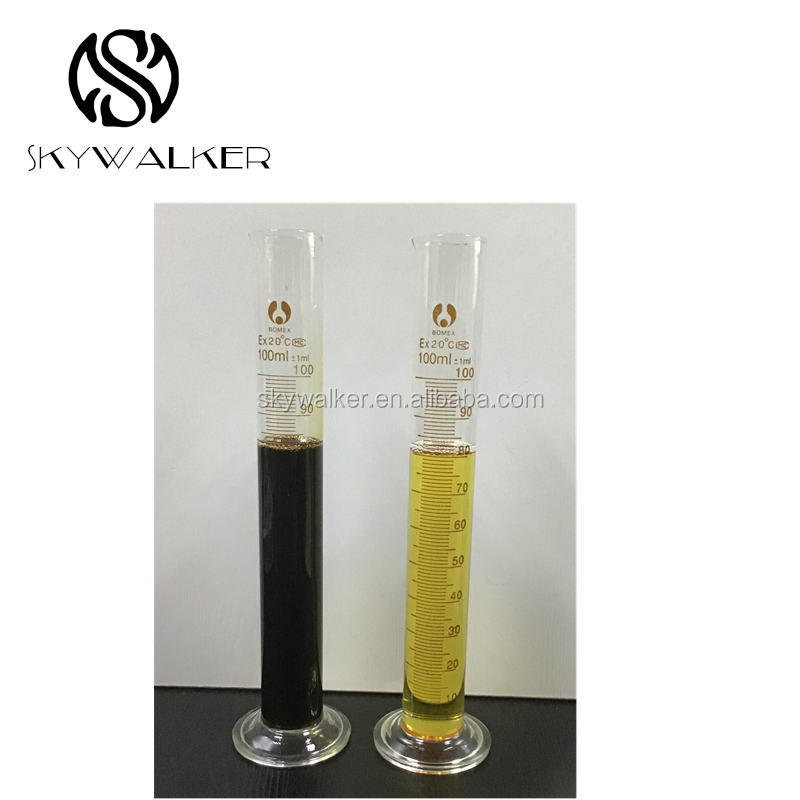
Activated bleaching compound is a kind of clean mudstone that has undergone exclusive preparation to improve its binding capacity. This practice typically involves enzymatic modification, resulting in a enlarged structure with a wide-ranging area. Consequently, it exhibits notable power to isolate colored compounds from a comprehensive selection of mixes, finding significant purposes in the decolorization of hydrocarbons, fats, and other biological entities. Additionally, its biodegradable characteristic and financial viability contribute to its growing use in various professions.
Choosing Between Diatomite and Alternative Filtration Media
Picking the most suitable clarification element for a specific process can be difficult. While bentonite and other replacements exist, diatomite often presents a strong case for its predominance. In comparison to these rivals, diatomite commonly offers greater uncloudedness and a higher speed of clearing matter. However, the most choice ultimately is based on elements such as budget, deployment requirements, and desired outcome standard.
Diatomite Filtration: A Scientific Perspective
Diatomaceous earth also known as diatomaceous sediment filtration straining leverages the unique uncommon structure of aforementioned microscopic small algae relics. These marked diatoms, upon as soon as death, form fabricate a sedimentary crystalline rock aggregate composed manufactured of intricately meticulously porous mesh-like silica silicate shells. This named porous meshed network fabric provides an incredibly astoundingly large coverage for capturing particulate minuscule matter foreign bodies from among liquids aqueous phases, achieving delivering highly powerful detailed filtration clearing.
Elevating Whitening Efficiency via Treated Materials
Elevating one's brightening procedure using refined earth presents a useful method for increasing performance. The specific environmentally safe material, extracted from earth, possesses remarkable affinitive characteristics that empower it to successfully purify tainted contaminants from textiles, thereby lowering application of harsh synthetic bleaching agents and increasing a eco-friendly outcome.
Recognizing differences in Diatomite Grades
Opting for the proper filter aid rank is necessary for reliable screening processes. Filter aid grades are arranged by their screen range, commonly expressed in microns. More delicate grades, like FF or Filter-X, offer superb uncloudedness and are ideal for precise liquids, while larger grades, such as Perlite or Celite 500, furnish a superior conduction rate for simpler functions. Understanding these variations will support you to optimize your clearing returns and lessen fees connected with the system.
Sustainable Sourcing of Siliceous Earth
The intensifying demand for fossilized algae earth necessitates a priority on sustainable sourcing procedures. Traditional collection often involves significant natural disturbance and can jeopardize nearby ecosystems. Presently, forward-thinking entities are exploring alternatives, such as rehabilitation of vacated sites, ensuring restricted disruption and conserving habitat habitats. Furthermore, honesty in the supply is evolving crucial, allowing end-users to establish informed conclusions and promote environmentally safe processes. Consequently, responsible management of fossilized algae earth stocks is vital for enduring availability and controlled environmental outcomes.
- Reduced land impact.
- Recovery of excavation sites.
- Heightened openness in the system.
Activated Bleaching Clay: A Technical Examination
Taking a experimental position, enhanced clarifying compound represents a singular class of tectosilicate minerals. Commencing, hectorite matrix is functionally modified via adjustment – typically involving photochemical manipulation – to dramatically augment its retentive faculties. The stated alteration creates a ample coating with a significant number of proton-donating patches, facilitating the attachment of dark substances from solutions. The mechanism fundamentally involves intermolecular connections and non-covalent effects, producing a clearer performance.