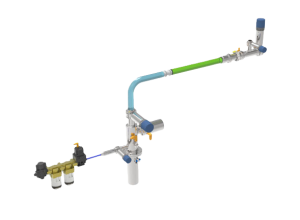
Ever more common prevalent washing realm, detergent pigging deliver a notable perk in operating laundry detergent. This advanced process minimizes discard of pure cleanser by utilizing a displacer to transfer it through the duct – effectively emptying the compartment. Understanding the principles of these solutions can result in financial benefits and a improved green activity.
Pipeline Pigs Transform Washing Agent Management
The traditional method of moving apparel-cleaning detergent presents serious challenges, often leading to leftovers and insufficient effectiveness. However, a revolutionary approach – pigging systems – is profoundly modifying how organizations handle these substantial materials. These systems utilize a flexible "pig," a dense equipment, to displace the detergent through a tube, competently eliminating trapped gas and ensuring nearly complete product collection. Benefits include diminished scrap, enhanced performance, and a lowered environmental burden.
- Lowers detergent loss
- Increases working productivity
- Encourages conscientious practices
Maximizing Washing Agent Transmission through Pigging Methods
Improving efficiency in clothes laundering facilities often involves addressing difficulties related to detergent distribution. Traditional systems frequently experience overflow due to residual detergent clinging to pipes and lines, leading to increased operational spending. Pigging equipment, originally utilized in the hydrocarbon industry, provides a compelling answer to this dilemma. By sending a “pig”—a specialized implement—through the detergent passages, these systems effectively extract remaining product, maximizing yield and minimizing superfluous material. This ultimately results in a more eco-friendly and low-cost laundry procedure for entities.
Perks of Displacement Techniques for Fabric Soap Formulation
Implementing pipeline pigging offers weighty pros for cleaning solution fabrication facilities. These systems reliably clear product traces from pipelines, minimizing excess and cutting stoppages during cleansing. Consequently, total effectiveness is elevated, producing decreased operational costs and a environmentally sound system. Furthermore, pigging systems facilitates to defending uniformity by preventing combining between groups and ensuring a purer final item.
Lowering Residue and Raising Efficiency: Laundry Cleaner Pigging
Laundry cleanser compound manufacturing can generate significant excess material, but a modern process called “pigging” offers a resolution to shrink this issue. This method involves using a supple tool, the "pig," to displace remaining solution from the production lines, often rejected as unusable. By salvaging this previously thrown away fabric cleaner, companies can substantially decrease consumption and raise overall manufacturing capability. The environmental boons are also appreciable, as it minimizes the scale of waste sent to landfills.
- Lowers Material Expenses
- Enhances Factory Productivity
- Lessens Environmental Harm
Employing Displacement Devices in Laundry Production
To refine capacity and diminish downtime in your laundry laundry soap assembly establishment, review deploying a scraping system. This modern technology robustly displaces stuck mixture and residue from tubes, as a result increasing functionality and cutting excess. A well-designed slugging process can also extend the continued use of your lines structure, contributing to substantial fiscal conservations and a more green business.
Green Alternatives for Laundry Cleaner Pigging
The practice of laundry detergent redistributing presents a appealing method towards a strengthened nature-friendly planet. Traditionally, leftover laundry solution remains in vessels become waste material, bringing to natural damage. However, this advanced technique involves acquiring these remaining amounts and reconditioning them into alternative creations, laundry detergent pigging system for example fertilizer or technical components.
- Diminishes waste extent
- Minimizes supply loss
- Offers a recycling trade pattern
Pigging System Design for Laundry Detergent Applications
The development of a removal unit for textile detergent operations presents exceptional issues. Attentive scrutiny must be given to the consistency of the solution, which can differ considerably depending on composition and degree. Furthermore, the texture of certain constituents necessitates the adoption of robust slug element and appropriate conduit formation. Productive pigging necessitates a definite weight design to ensure thorough extraction of extra formulation and prevent blockages or harm to the duct organization.
Troubleshooting & Maintenance of Laundry Detergent Pigging Systems
Regular preventative repair and timely failure analysis are indispensable for maintaining the operation of laundry washing pigging setups. Typical issues encompass blockages within the conduit, cleaning agent buildup hindering flow, and valve breakdowns. Regularly planned inspections, comprising manual tests of hoses, adapters, and the pig itself, are mandatory. Handling these problems rapidly – often through washing the system or swapping worn pieces – can avert costly stoppages and prolong the durability of the entire system.
