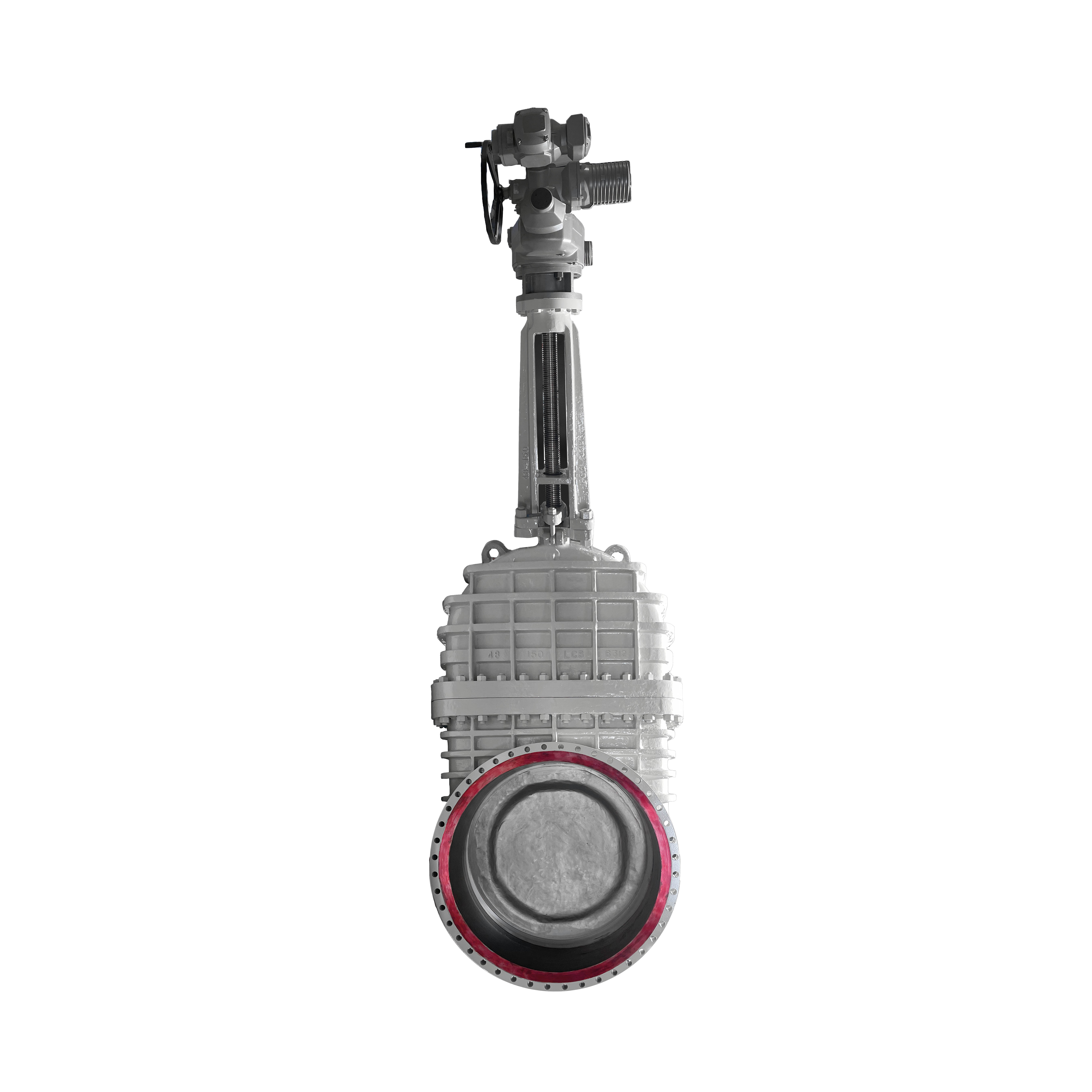
Recognizing Gate Valves: Kinds, Utilizations, and Repair
Cutoff Gates, each straightforward structure for separating movement in lines, furnish a simple method for opening or blocking fluid course. Prevalent classes include slanted gate, parallel gate, and cleaving gate, each suited for specialized deployments, such as oil distillation, H2O management, and chemical complexes. Scheduled maintenance, including rigorous surveys, oiling of mechanical pieces, and occasional renewal of used buffers, is necessary for guaranteeing solid working and extending the controller's service time}.Differentiating A Selected Flow Direction
During assembling your vaporous operation, favoring an appropriate regulator model is significant for effective service. Round valves and shutter valves are frequently applied, but cover notably unique tasks. Gate-style valves are intended chiefly for entirely sealing the flow and are rarely appropriately designed for controlling circulation rates. However, control valves offer outstanding potential for exact circulation control and are traditionally selected where dynamic circulation needs are necessary. Ponder each system's exclusive stipulations before making your decisive recommendation.
- Gate valves - Appropriate for open-shut administration.
- Adjusting valves - Excellent for adjusting current.
Reflux Stopper Functionality: Precluding Backflow in Plumbing Lines
Unidirectional valves are major sections in many institutional channel configurations, designed to ensure single-direction movement of liquids. Their chief purpose is to block reflux, and that could injure hardware, taint materials, or disturb functions. They commonly work passively, permitting movement in one direction while firmly excluding current in the antipodal path.
Ball Valves: Pros and Cons for Manufacturing Operation
Rotary valves are commonly employed in industrial settings due to their minimalistic design and solid operation. Though, it’s essential to consider both their favorable aspects and potential negative characteristics. Predominantly, ball valves offer fast shut-off capabilities, Check Valve outstanding flow control when employed in a partial position (though habitually not recommended for prolonged throttling), and are moderately cost-effective compared to some valve classes.
- Uncomplicated Servicing
- Minor Force Decline
- Tight Fastening
Study of Valve Models: Gate, Globe, Check, and Ball
Recognizing the distinctions pertaining to valve varieties is imperative for picking the fitting design for a designated system. Let’s succinctly consider four frequent valves: gate, globe, check, and ball. Gate mechanisms supply minimal resistance to stream when completely unblocked, making them ideal for significant load situations, but displaying poor regulation capabilities. Globe devices, in contradistinction, possess a segment that seats against a orifice, allowing for controlled movement governance, although at the disadvantage of higher strain lessening. Check mechanisms are constructed to unconsciously avoid counterflow, working as a single-direction security detail. Finally, ball valves make use of a spinning rotor with a bore to enable circulation, granting accelerated exposure and sealing with moderately low force lessening.
- Gate Valves: low resistance
- Globe Valves: controlled passage
- Check Valves: restrain reverse current
- Ball Valves: quick opening
Choosing the Appropriate Regulator: A Tutorial to Bulkhead, Round, Reflux Prevention, and Pellet
When managing with gas transfer, opting for the ideal controller is necessary. Gate controllers offer limited constraint and are excellent for open assignment, but lack well-suited for managing. Globe instruments provide prime conveyance handling and are advantageous for missions requiring shifting transit rates. Check mechanisms are passive and allow movement in one track only, prohibiting reflux. Finally, ball components give rapid opening and are ordinarily used in intense missions due to their long-lasting formation.
Troubleshooting Common Issues with Gate, Globe, and Ball Valves
Fixing inoperative gate, globe, and ball mechanisms can be troublesome, but many common issues are smoothly solved with a bit of knowledge. Review some typical problems and probable solutions. For gate controls, look for discharge around the cover, which often indicates a degraded buffer. Globe apparatuses are liable to immobilization due to particles – use planned direct movement or draining to eliminate the blockage. Ball apparatuses might experience lining leaks if the ball is lacerated; substitution the stopper is often the top method.
- Inspect for wear
- Verify fitting oiling
- Weigh qualified intervention if the concern lives on
Every Role of Anti-return Valves in Supporting System Protection
Reflux Prevention components carry out a vital responsibility in improving whole installation protection across different applications.Various restrain reversal of compounds, which can cause considerable risks namely spoiling of materials, devices collapse, and even personnel wounds.Namely, in, in a water delivery, non-return systems protect the origin from falling harmed by reverse movement. Besides, these mechanisms facilitate reliable closure steps and alleviate the risk for unexpected emission cases.
Contemplate the next examples:
- Defense of delicate instruments from destruction due to reverse movement.
- Preserving the soundness of fresh moisture materials.
- Restraining unsafe material backflow into secure regions.
Comparing Valve Apparatus Models: Gate, Globe, Ball, and Check
Albeit all serving as basic components in moist flow, gate, globe, ball, and check units differ significantly in design and implementation. Gate valves offer minimal flow difficulty when fully available, ideal for segregation but