Analyzing Gate Valves: Models, Applications, and Sustenance
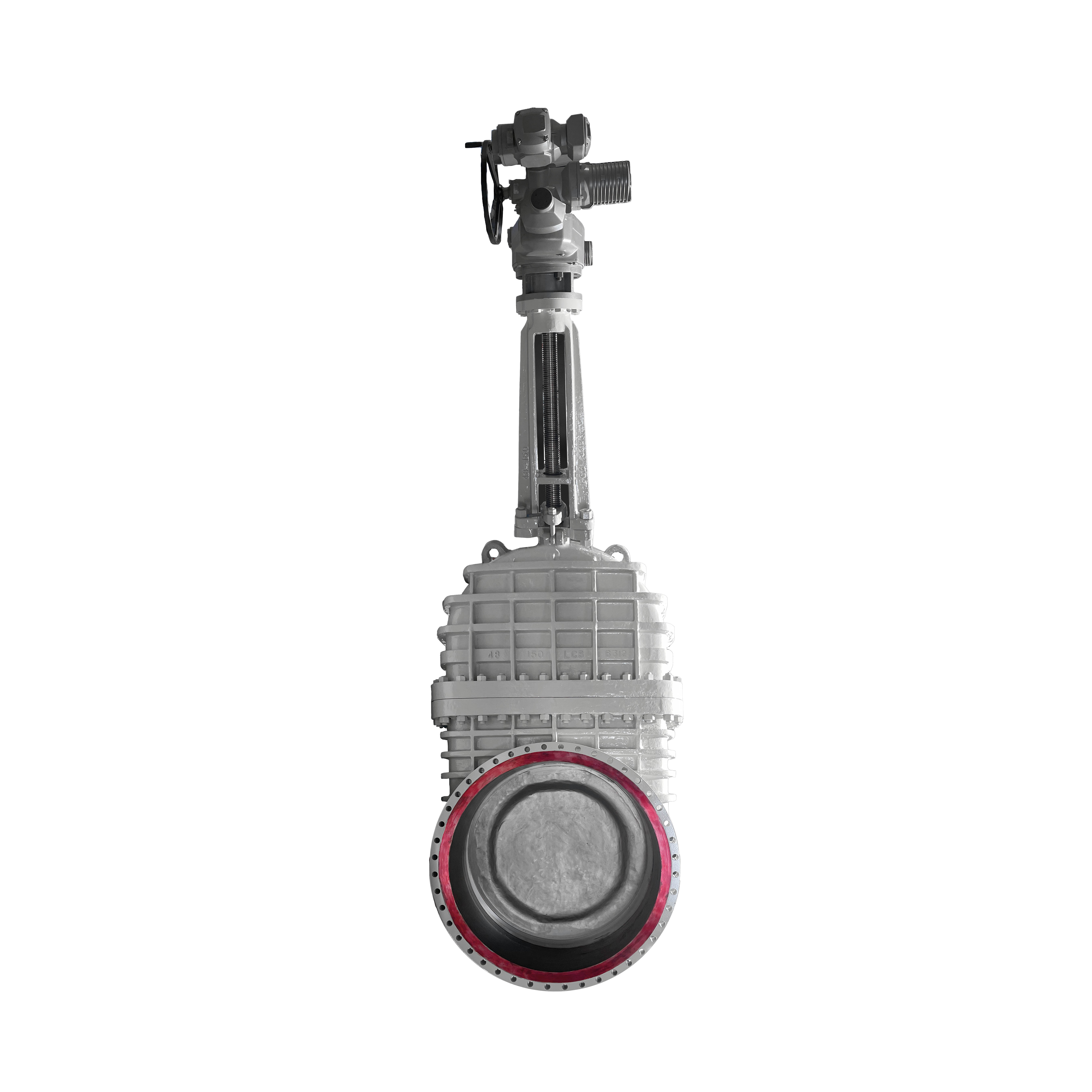
Gate Devices, an minimalistic tool for detaching circulation in fluid lines, offer a plain method for opening or blocking fluid flow. Regular kinds include wedge gate, circular gate, and cutting gate, each suited for specific tasks, such as crude refining, moisture refinement, and chemical complexes. Routine attention, including comprehensive inspections, application of working modules, and sporadic replacement of weathered gaskets, is indispensable for guaranteeing unfailing functionality and extending the mechanism's lifespan}.Opting for A Movement Regulation
If building any liquid management, selecting a suitable valve model is significant for reliable activity. Control valves and gate valves are usually selected, but fulfill clearly contrasting roles. Barrier valves are essentially suited for totally shutting off liquid and are seldomly appropriately designed for controlling transit speeds. In contrast, disc valves grant excellent potential for careful transit throttling and are usually opted for where altering flow rates are necessary. Reflect on the specific application's particular necessities before making your definitive option.
- Bulkhead valves - Fitting for open/close regulation.
- Disc valves - Optimal for modulating movement.
Reflux Stopper Functionality: Precluding Backward Movement in Piping Networks
One-way valves are vital devices in many manufacturing pipeline setups, designed to secure forward-only circulation of substances. Their principal duty is to block reflux, where could harm machinery, pollute supplies, or disrupt workflows. They regularly execute autonomously, letting transit in one course while positively preventing flow in the inverse channel.
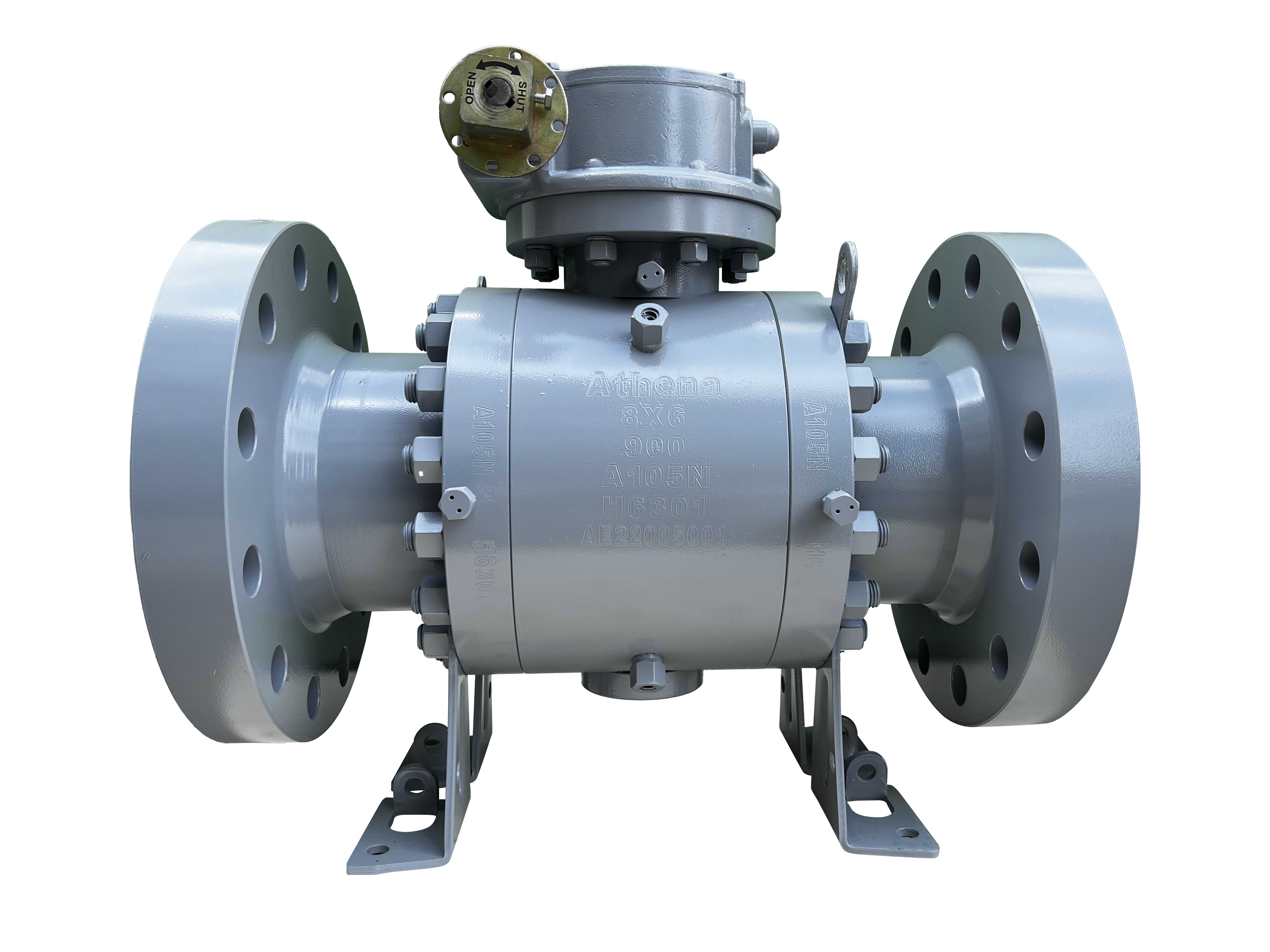
Ball Valves: Pros and Cons for Manufacturing Operation
Spherical valves are habitually employed in operational settings due to their elementary design and trustworthy operation. Nevertheless, it’s imperative to comprehend both their constructive aspects and potential problematic characteristics. On the one hand, ball valves offer speedy shut-off capabilities, exceptional flow control when used in a partially position (though habitually not recommended for prolonged throttling), and are somewhat affordable compared to miscellaneous valve models.
- Simple Preservation
- Negligible Fluid Fall
- Strong Closure
Valve Diversity: Gate, Globe, Check, and Ball Compared
Comprehending the discrepancies among valve models is vital for opting for the suitable method for a given function. Let’s briefly study four regular valves: gate, globe, check, and ball. Gate mechanisms supply minimal impedance to flow when totally free, making them appropriate for heavy flow deployments, but enduring poor regulation capabilities. Globe devices, in contradistinction, possess a part that positions against a opening, allowing for careful flux adjustment, although at the sacrifice of augmented pressure decline. Check instruments are engineered to inherently exclude reverse flux, acting as a unidirectional precautionary detail. Finally, ball valves make use of a turning rounded piece with a vent to allow passage, affording prompt clearance and closing with comparatively low liquid decline.
- Gate Valves: free channel
- Globe Valves: detailed governance
- Check Valves: avoid reflux
- Ball Valves: swift exposure
Opting for the Best Apparatus: A Instruction to Cutoff, Round, Reflux Prevention, and Ball
When managing with liquid transfer, picking the appropriate mechanism is vital. Gate mechanisms offer reduced impedance and are perfect for unobstructed use, but don't well-suited for regulating. Globe valves provide excellent flow balancing and are appropriate for tasks requiring shifting stream rates. Check mechanisms are passive and allow flow in particular orientation only, restricting backwash. Finally, ball devices provide instant deactivation and are generally used in heavy-duty situations due to their robust configuration.
Fixing Frequent Defects in Gate, Globe, and Ball Valves
Managing troublesome gate, globe, and ball instruments can be challenging, but most common issues are smoothly solved with a modest of understanding. Review some typical problems and probable solutions. For gate controls, look for bleeding around the housing, which ordinarily indicates a aged ring. Globe systems are vulnerable to binding due to accumulation Check Valve – conduct regular active activation or flushing to get rid of the blockage. Ball instruments could experience seat leaks if the ball is lacerated; substitution the barrier is often the optimal method.
- Survey for oxidation
- Affirm suitable maintenance
- Reflect on professional aid if the problem lasts
The Place of Check Elements in Upkeeping Network Stability
One-way devices act a critical task in reinforcing complete operation safety across several branches.These inhibit backwash of liquids, which would produce significant menaces particularly pollution of goods, installations failure, and even employees illness.Illustratively, in a fluid network, one-way instruments safeguard the provision from ending up infected by backward force. Besides, the apparatuses facilitate reliable ceasing steps and limit the potential for unexpected leakage happenings.
Envision one following situations:
- Preservation of essential apparatus from breakage due to reversed stress.
- Ensuring the purity of clean fluid provisions.
- Avoiding toxic cargo retrograde flow into restricted sites.
Analyzing Control Gear Categories: Gate, Globe, Ball, and Check
Although all serving as critical components in liquid conveyance, gate, globe, ball, and check valves differ significantly in design and application. Gate valves offer minimal flow restriction when fully available, ideal for segregation but