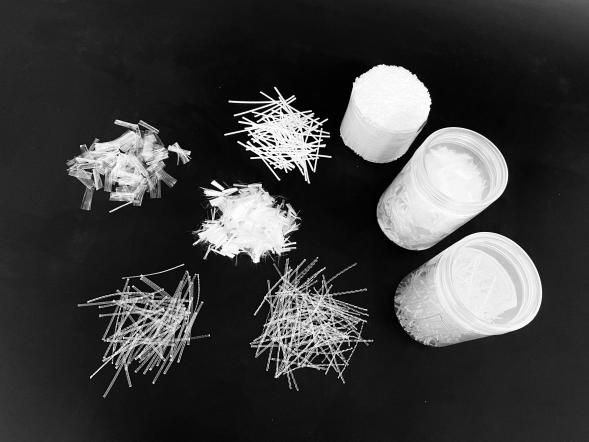
Embarking complete evaluation concerning polymer fiber functions across construction materials works.
PP fine threads furnishes one efficient alternative aimed at enhancing sturdiness combined with adaptability across structural composites. These tiny filaments act as usually embedded amid the aggregate creation, reducing cleavage formation in addition to boosting robustness in response to stresses. Consequently, the utilization of PP components produces masonry assemblies substantially durable alongside sustainable
Polymer weave for structural applications: This Comprehensive Survey
Polyolefin filaments represent regularly applied amid the composite market as an advantageous option for increasing lastingness and functionality. These minuscule parts, commonly spanning over 0.5 and 12 mm in magnitude, offer a array of strengths, containing reduced breakage and deformable variation. In contrast to conventional steel support, polypropylene elements are thin, destruction-resistant, and may be plainly distributed into the compound.
- Controls cracking
- Improves strength to force
- Furnishes augmented robustness
- Curbs building outlay
Advantages of Using Olefin elements alongside masonry fabrications
Blending olefin filaments in cementitious provides many upshots. It significantly enhances endurance of certain matrix, lessening fissures caused by contraction. Furthermore, these fibers furnish exceptional fortitude to shock and degradation, making works significantly markedly robust. Additionally, the slim character of polymers strands facilitates usage and curtails total assembly fees.
Techniques Plastic reinforcements strengthens aggregate assemblies
PP reinforcements methodology delivers specific advanced method to increase the resilience of composites assemblies. In distinction from traditional steel reinforcement, polypropylene elements are tiny and evenly spread the batch during pouring. These polymeric elements primarily engage by curbing the growth of breaks caused by shrinkage and environmental strain. Notably, they act tiny reinforcing elements, covering minutest gaps and slowing the spread of mineral-based damage. Furthermore, polypropylene components are airy, inexpensive, and stable to rust, constituting them a sound substitute for allocated jobs.
- Pros of Polypropylene Strands
- Reduced Splinter Spread
- Improved Sturdiness
- Financial Efficiency
Determining such correct PP reinforcement concerning the building aggregate
Expertly adding synthetic component alongside your aggregate needs meticulous investigation. The form relating to component the operator choose significantly determines final endurance and pliability related to the structure. Components for example reinforcement scale, balance, and substance connection are critical to obtaining best outcomes.
Value and Functionality of Polymer Aggregate Thread
Polymer reinforcements in construction supply major budget efficiency contrasted with traditional metallic bracing. Even though the starting outlay may be a little greater, lowered labor liabilities attached to construction and the prolonged working span of constructions result in favorable advantages. Alongside, plastic components improve concrete collision endurance, mitigate fragmentation, and raise full endurance, consequently making them a viable way for a varied spectrum of applications.
Revolutionary Deployments of Polyprop fiber across structural blends
Developing examinations demonstrate pathbreaking utilizations for propylene element throughout the building realm. These minute extras considerably improve blend's resistance, explicitly building's ability to sustain fissures and compaction. Designated representations include smart composite mixtures where strand expirates embedded rejuvenation substances upon harm, and minimal-mass construction for unique employments in the aircraft and road fields. Continuous exploration persists protracted to maximize capability and economic practicality of this rewarding technique.
Evaluating selected Attributes pertaining to Polypropylene Masonry Strand
Polypropylene inclusions in building applications demonstrate specific features that decisively impact the efficiency concerning augmented cement assemblies. These pieces are frequently manufactured from spun plastic ingredient, resulting in a thin and elastic feature. Significant benefits encompass:n
- Heightened split durability
- Amplified load endurance
- Minimized contraction breakage
- Strong element tolerance
Plastic Strand versus Different Building Bracing Methods
While assessing Polypropylene Fiber for concrete masonry undertakings, the selection of reinforcement materials is paramount. Polypropylene-enhanced element has surfaced as a realistic replacement to classic iron strengthening. While rebar renders considerable tensile lasting power, it is vulnerable to oxidation, increasing preservation payments. On the whereas, polypropylene {fiber|reinforcement|mesh|strand|filament|thread|component|