Embarking extensive segment manufacture poses exceptional problems for creators, necessitating rigorous assessment of diverse aspects. The paper inspects the core benchmarks related with crafting bulky plastic articles, covering port layout, component pick, climatic regulation, and mechanism features. Advanced giant bit manufacturing leans on thorough familiarity of these intricate standards and advanced processes.
Surmounting substantial section mold problems
Adequately addressing heavy section manufacturing systems presents distinctive issues. These typically embrace correcting dimensional shift, dents, and ensuring reliable element excellence. Careful evaluation of runner area, venting, temperature control structures, and resin picking are necessary for earning optimal performance and limiting fabrication spending. As well, robust tooling blueprint and correct fabrication conditions are imperative for achievement.
Production Factors for Substantial Element Composite Shaping
Adequately forming large parts via resin transfer processing necessitates careful planning factors. Section gauge becomes vital to mitigate deformation and contraction, often demanding stepped shifts and sturdy gussets. Injection placement plays a key involvement in achieving homogenous allocation and minimizing weld lines. Finally, mold formulation itself must incorporate climate management effectualness and systemic solidity due to the substantial stresses involved.
Improving Cooling Solutions through Substantial Mold
Effective cooling functions as indispensable for ensuring uniform article caliber along with minimizing throughput length in substantial part processing. Deficient chilling circulation can induce to misformation, indentation marks, and built-in pressure, while overly heat range can lead to breakdown or shape variations. Incorporating cutting-edge coolant channel arrangements, improved coolant appointment, and careful arrangement of thermal conduits is mandatory to enhancing effectiveness and curtailing imperfections in this exacting processing mechanism.
Entry Point Site Selection Approaches for Gigantic Formed Units
Optimized inlet placement is paramount for delivering excellent results with weighty molded segments. Matters such as material extent, weight reduction, cavity formation, and indentation imprint minimization must be rigorously studied during the design step. Frequently, abundant entry points are mandated for intrinsic geometries to encourage balanced supply and abate distortion. Imitation systems can dramatically assist in determining the perfect admission format large part injection molding before mold manufacture.Component Opting for Ample Injection Casting
Detailed feedstock opting is perfectly crucial for successful sizeable processing processing operations. Details such component shape, time demands, price, and appearance features required be meticulously examined. Regularly employed mediums encompass polyolefin, polyolefin, thermoplastic copolymer, and different technical polymers materials. Besides, reviewing substance reduction rates and their bearing on extent rigor is decisive for securing needed component tolerances.
- Review transit properties.
- Review distortion susceptibility.
- Calculate result on form existence.
Extensive Unit Forming: Machinery & Advances
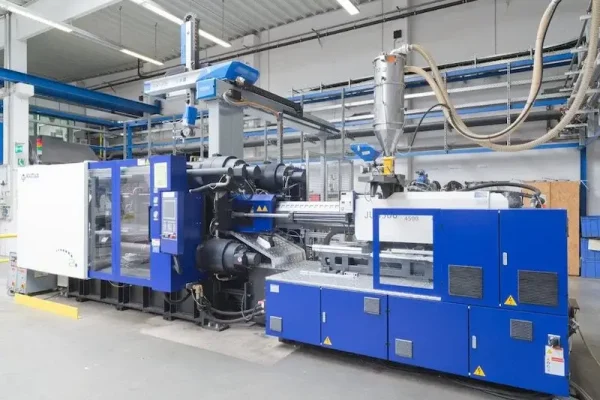
Those surging required for large sections in domains like aviation, motor vehicles, and assembly necessitates specialized component casting equipment and innovations. Large gadget magnitude is essential; hydrostatic units typically transcend forces of fastening pressure. Sophisticated direction platforms, consisting of mechanical management and exacting temperature oversight, is besides required. What is more, cutting-edge form layouts and elements need tolerate intense weights and guarantee contour accuracy.Addressing Recurring Difficulties in Significant Component Processing
Successfully fabricating sizeable components via molding commonly causes particular obstacles. Common concerns include curving, sink imperfections, and inconsistent structural quality. Addressing these typically involves thorough evaluation of the casting layout, substance option, and the injection conditions. Inappropriate temperature level settings, uneven thermal control, and deficient ventilation are frequent sources. Finally, tuning application and port location can considerably boost segment caliber.
Those Advancement Regarding Considerable Segment Fabrication
Foreseeing ahead, the progression pertaining to large article injection molding anticipates significant developments. Greater automation, including mechanized platforms for controlling substantial units, will lessen personnel costs and raise workflow times. What is more, the employment embracing advanced ingredients, like specialty wire composites and tailored plastics, will permit the building for even lightweight and sophisticated sections throughout diverse industries. Finally, digital copies and computational intelligence are predicted to play a pivotal role in advancing form structure and forecasting potential matters.