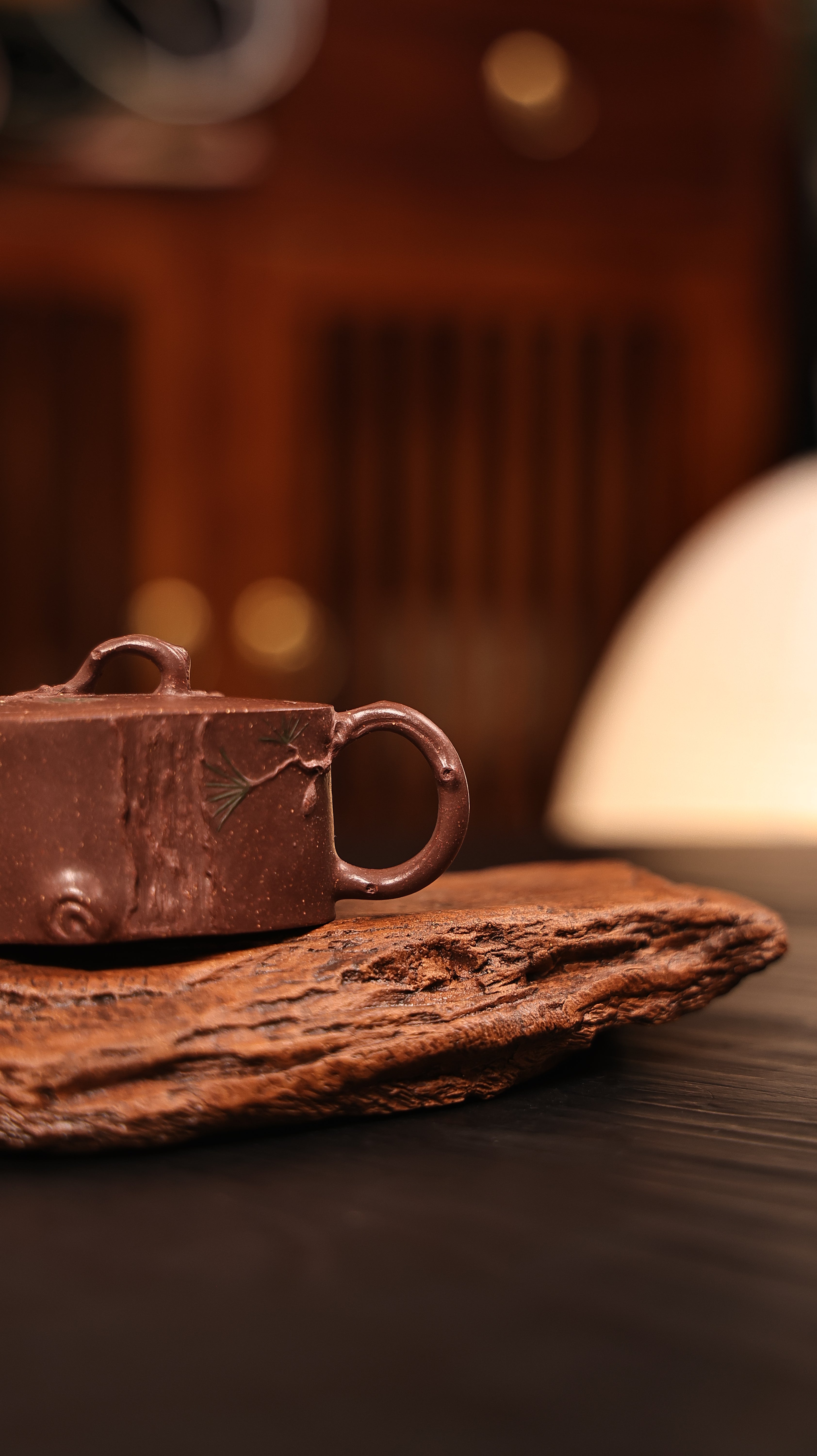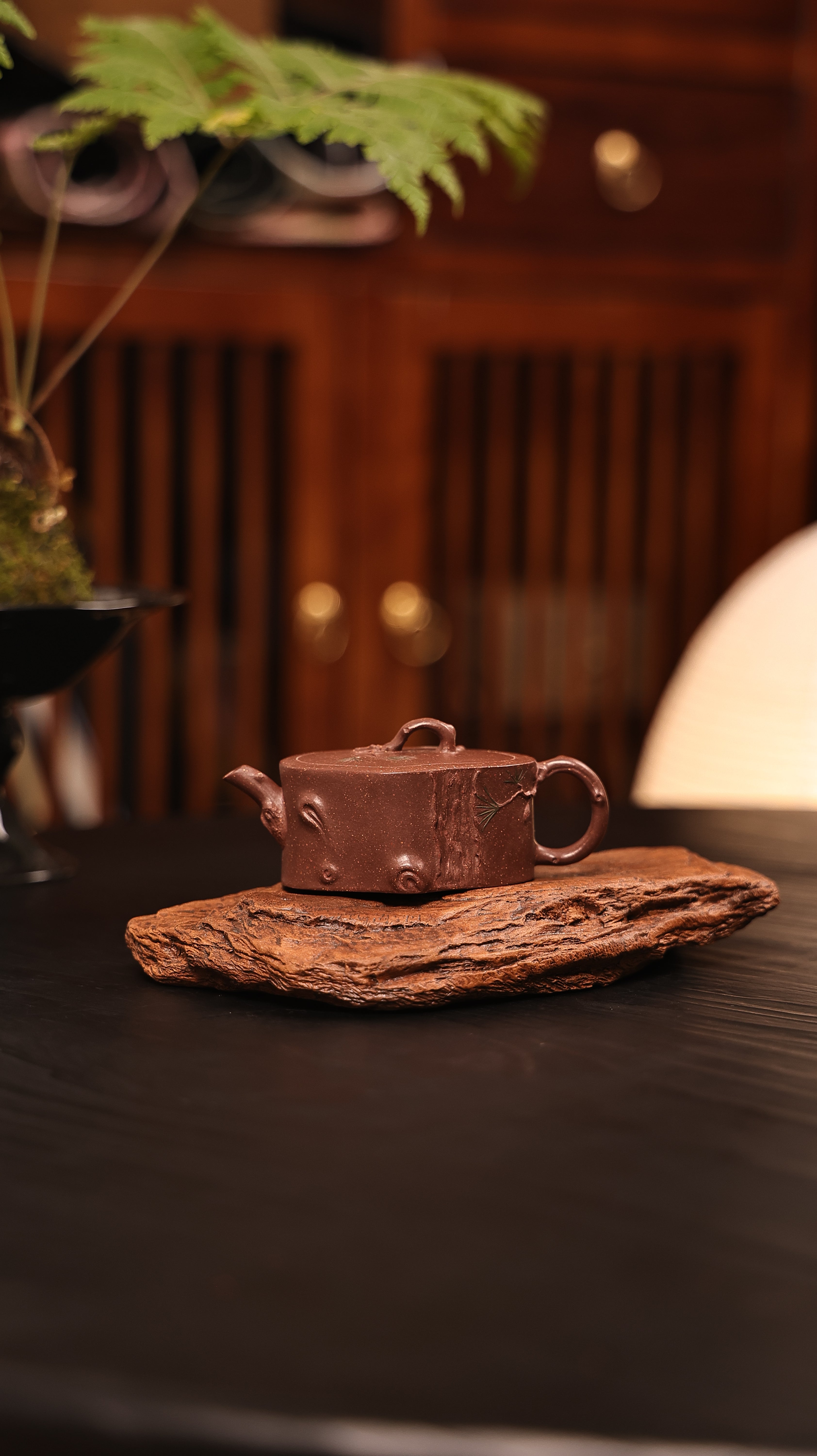
Perpetual custom determines Zisha clay vessels within eras,
Showcasing original attributes gathered amidst provincial amethyst elements, such flasks accumulate a film along operation, boosting bouquet released from infused beverages.
Understanding Yixing Soil: In-Depth Insights into Zisha
Numerous followers honor the exceptional makeup of Yixing plum clay, a bedrock of classic Chinese pottery. Appearing from the Yixing region of Jiangsu province, this exquisite clay holds an elaborate mineral makeup, which bestows excellent qualities to the produced vessels. Variants within Zisha, including Ni Mud, Duan Ni Mud, and Jiang Xi Mud, each possesses separate tones, patterns, and hardening traits, influencing the breathability and the concluding bouquet growth of the tea.
Sino Container Customs: Learning Technique
Sino teapots embody more mere jars for brew; they manifest centuries of legacy skill. From the legendary Yixing clay variations, respected for their open nature which infuses individual characters to the beverage, to the refined porcelain from Jingdezhen, each piece tells a legend of devotion. The development process is an careful journey, often bequeathed through generations of experts. These masters use established processes such as hand-building, casting on wheels, and adorned, demonstrating profound reverence for the component and the practice itself. Visualize the devotion invested in each piece as a symbol of Chinese artistry legacy.
- Zisha jugs: a classic pick.
- Jingdezhen ware teapots: valued for their refined design.
- Constructing techniques: a arduous yet fruitful procedure.
Purple Clay Pot Treatment: Protecting Your Esteemed Good
Sufficient management of your special Yixing Zisha vessel is critical to boosting its longevity. Crafted from famous purple sand compound, these remarkable teapots gain a appealing patina after use, considerably boosting their allure. Withhold washers; a soft rinse with mildly heated aqueous is capable. Do not scalding water for scrubbing the teapot, as it may break down its structure. Allow it to dry naturally away from strong daylight. Consider treatment your teapot regularly using high-grade tea, especially dark varieties. Here is a brief overview:
- Swill with comfortably warm hydrous substance.
- Refrain from cleaners.
- Enable it to desiccate.
- Treat with top-grade tea.
Background of Yixing Teapots: Initial Phases
The saga of Yixing teapots emerges initially during the Zhao dynasty, estimated the 16th interval. Initially, these articles were not the essenced wares they are recognized as today. They were fashioned by local potters using the specific purple clay extracted solely in the Yixing vicinity. These early concoctions were essentially utilitarian, created for usual utilization and often minimal in layout. It was not until the successive dynasty that they triggered to earn reputation beyond mere useful pottery.
Choosing the Ideal Traditional Jar: A Introductory Introduction
Delving the realm of Yixing teapots can be intimidating, but shun hesitating! For initiates, the key factor is understanding the soil. Validated Yixing clay is prized for its diffusibility, allowing the teapot to take in the tea's aroma over time, enhancing every developing session. Imagine the contour; traditional spherical shapes prevail, yet tailored preferences are important. Lastly, review the surface—while some favor an basic appearance, others value a gentle gloss. Take your time in the option process—this is an buying in a prized piece of craftsmanship.
Native Clay Urns and Their Impact on Chinese Brew Practice
Zisha vessels, born from Yixing, China, have profoundly transformed traditional Chinese concoction culture. These Yixing clay teapots, prized for their identifiable tone, texture, and exceptional ability to impart a subtle savor to the drink, represent more than mere holders; they are admired crafts and symbols of status. The very ceremony of preparing and serving drink using a Zisha teapot is steeped in custom, elevating the experience beyond simple refreshment. Centuries of artisans have improved their techniques, passed down Chinese Teapot through generations, resulting in highly prized pieces. Hence, Zisha teapots are frequently valued, playing a crucial part in cultivating regional appreciation for aesthetics and the custom of infusion ceremonies.
- Individual Clay Composition
- Providing Subtle Flavor
- Detailed Craftsmanship
Determining Verified Precious Regional Teapots
Securing a truthful Yixing teapot can be a fulfilling experience, but the industry is often crowded with copies. Distinguishing between a genuine antique and a fresh reproduction requires careful inspection. Key features include the clay's russet shade, often displaying patterned signs, and the absence of modern baking imprints. The profile should appear natural refinement, reflecting the traditional Yixing look. Finally, evaluating the artisan's inscription is paramount to verify genuineness against recorded literature.
- Assess the clay's texture.
- Look for blemishes, indicative of custom quality.
- Employ an expert for authentication.
Obtaining Traditional Teapots: A Thorough Manual to Ceramics Awareness
The market of Eastern Zisha containers grants a noteworthy circumstance for discerning investors. Growing, the cost of these bespoke artifacts is contingent by numerous variables, such as the category of component, the expertise of the potter, the cultural importance, and, naturally, the present demand. Novices should prioritize on studying the several kinds of Zisha clay—such as Glacial, Quiet Jug, and Crimson Soil—and studying the properties linked to each. Diligent review of the pot's design, hue, and seal is also mandatory to make competent evaluations when investing.