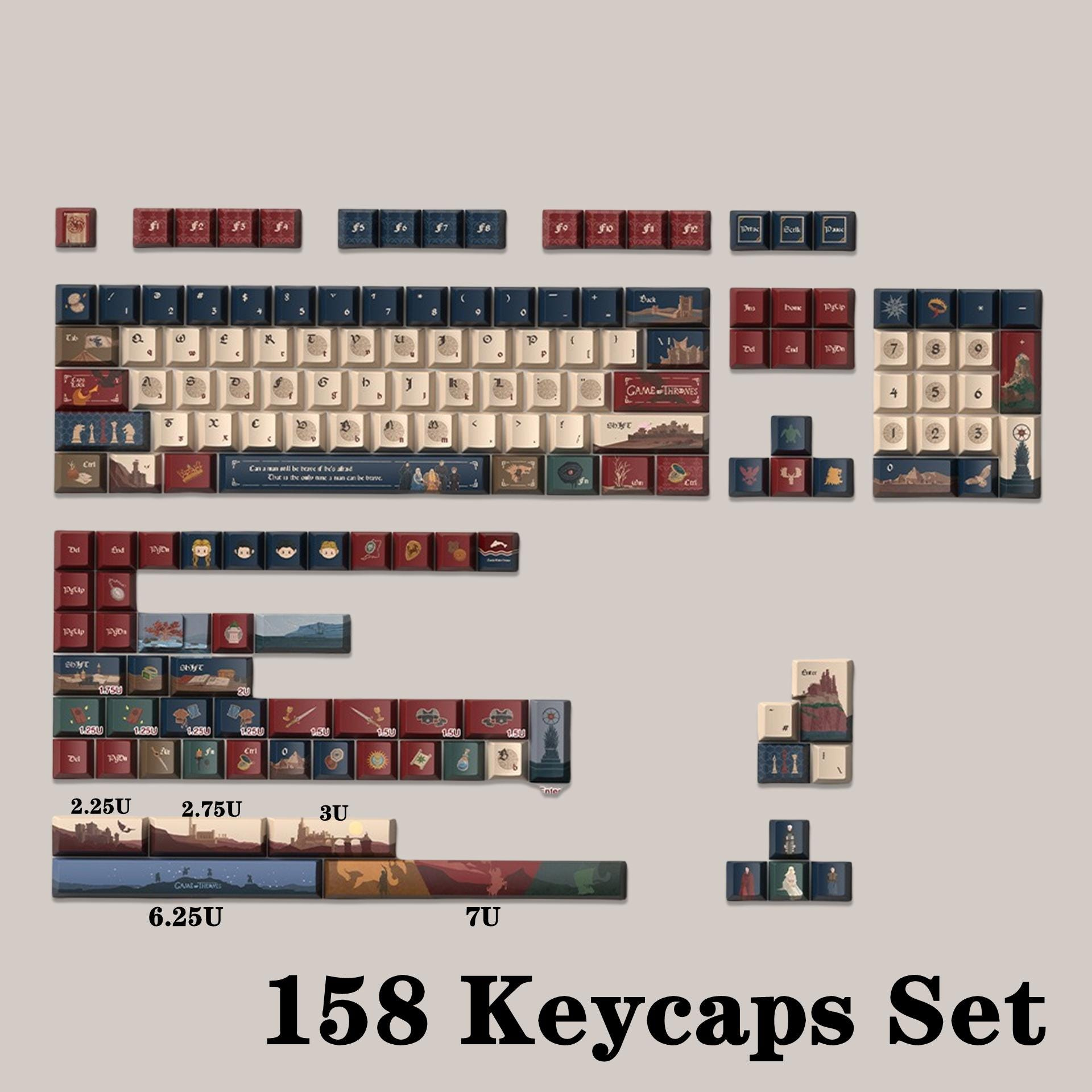
Kicking off a pro data entry device voyage calls for knowing typing caps.
Wishing to individualize individual’s typing environment? Typing keys are a wonderful way to do just that! These tiny parts sit atop your mechanical key system switches and dramatically alter its style. From traditional ABS plastic to premium PBT, alternative materials offer unique feedbacks. Explore profiles like Cherry, OEM, or SA to adjust the height of your keycaps, and unlock a whole new level of typing enjoyment. Evaluate the options – it’s more than just aesthetics; it's about crafting a exclusive device that truly reflects your taste!
Superb Keycap Options for Bespoke Mechanical Boards
Initiating the quest of customizing your mechanical apparatus often leads to the crucial decision: keycaps! Going with the optimal set can dramatically transform your device’s aesthetics and feel. From classic contours like Cherry and OEM to more rare options like SA and DSA, there’s a look for everyone. Here's a terse look at some top contenders. Consider doubleshot ABS for a nostalgic vibe, PBT for durability and a textured feel, or even artisan keycaps for a truly exclusive touch. Some sought-after sets include GMK (known for their notability), Artifact (offering eye-catching designs), and Drop (providing reliable offerings). For freshmen, understanding the composition and profile is key, while adept enthusiasts might mechanical keyboard keycaps chase rare or scarce releases.
- Material Importance: ABS vs. PBT – consider tactile quality and endurance.
- Profile Choice: Cherry, OEM, SA, DSA – each modifies the typing experience.
- Look Elements: Color schemes, legends, and overall appearance are key.
Mechanical Keyboard Keycaps 101: Materials & Information
Investigating the area of mechanical keyboard personalization, keycaps are a important component. Understanding the various materials used is critical; common choices contain ABS, PBT, and rarely metal. ABS is regularly less durable and liable to shine, while PBT offers a heightened textured feel and improved longevity. Keycap forms, like Cherry, OEM, SA, and XDA, shape the complete typing experience and appearance. In the end, consider the legends - whether they are engraved or double-shot – as this alters their durability and presentation style.
Make Your Keyboard Unique: Investigating Keycap Art & Aesthetic
Desire to reshape your keyboard from basic to a personalized piece? Reflect on the opportunities of keycap designs and models. Keycaps, those small plastic caps that you tap, offer a exceptionally wide spectrum of options. From traditional profiles like Cherry and OEM to current designs such as SA and DSA, each structure modifies the data entry engagement. You can detect keycaps in a variety of substances, including polymer, PBT, and even iron, each offering a diverse tactility. Beyond just the constituent, the decorations – be it intense legends, delicate gradients, or sophisticated artistic emblems – allows you to honestly express your distinctiveness. So, immerse in the enthralling world of keycaps and equip your keyboard a fresh look!
Keycap Sets: Finding the Perfect Appearance for Your Creation
Choosing the right keycap set is genuinely crucial for securing your desired impression in a mechanical keyboard formation. Sizable options are handy, from classic PBT plastic to more high-end materials like composite keycaps. Consider aspects like keycap shape, color scheme, and symbols – do you opt for a striking look, or something more streamlined? Don't shy away to check out different themes to find a match for your identity and keyboard tone.
Opting the Proper Keycaps: Compatibility & Physical Keyboard Models
When improving your mechanical keyboard, opting for the correct keycaps is significantly important. Learning congruence starts with identifying your keyboard’s toggle type. Most keycaps are designed for original switches, but substitutes like Kailh might look for a relatively different design. Furthermore, consider the keyboard’s configuration; regular layouts (like ANSI or ISO) influence keycap widths and distances. Ultimately, analyzing your keyboard’s parameters is essential for a streamlined keycap switch.
Beyond the Principles: Distinct & Irregular Mechanical Data Entry Caps
Once you’ve dominated the common Cherry MX profile, a whole landscape of interesting keycap designs awaits. Travel beyond the usual with artisan artworks sculpted from mediums like fiber, featuring elaborate engravings, glimmering pigments, or even active miniature miniatures. Aficionados acquire rare assemblies from limited series runs, commonly depicting rare figures or connecting to secret concepts. The cost can expand significantly, transforming what was once a simple supplement into a veritable work of art.
Keyboard Keycaps: A Buyer’s Guide to Quality and Durability
Electing one’s correct keycaps for one’s mechanical keyboard can substantially elevate the typing performance. Robustness is one of the important point – look for keycaps made from top-notch materials like specialized composites. PBT is often substantially resistant to degradation than common ABS, while doubleshot molding halts graphics wear. Consider the keycap style; MT3 are typical choices, every offering a special feedback. Finally, evaluate a keycap conformity with their keyboard’s lever type.
From the in the direction of regular elite Keycap shapes
Comprehending keycap profiles is imperative for anyone passionate about the world of mechanical keyboards. Originally designated by Cherry MX, the “Cherry” profile became a benchmark for many manufacturers. However, alternative profiles, most notably OEM, soon gained favor. OEM profiles are habitually found on pre-built keyboards, offering a mildly raised profile against Cherry, and habitually yielding a preferred feedback to a variety of users. Exploring these variations allows you to find the perfect keycap style for your unique keyboard.