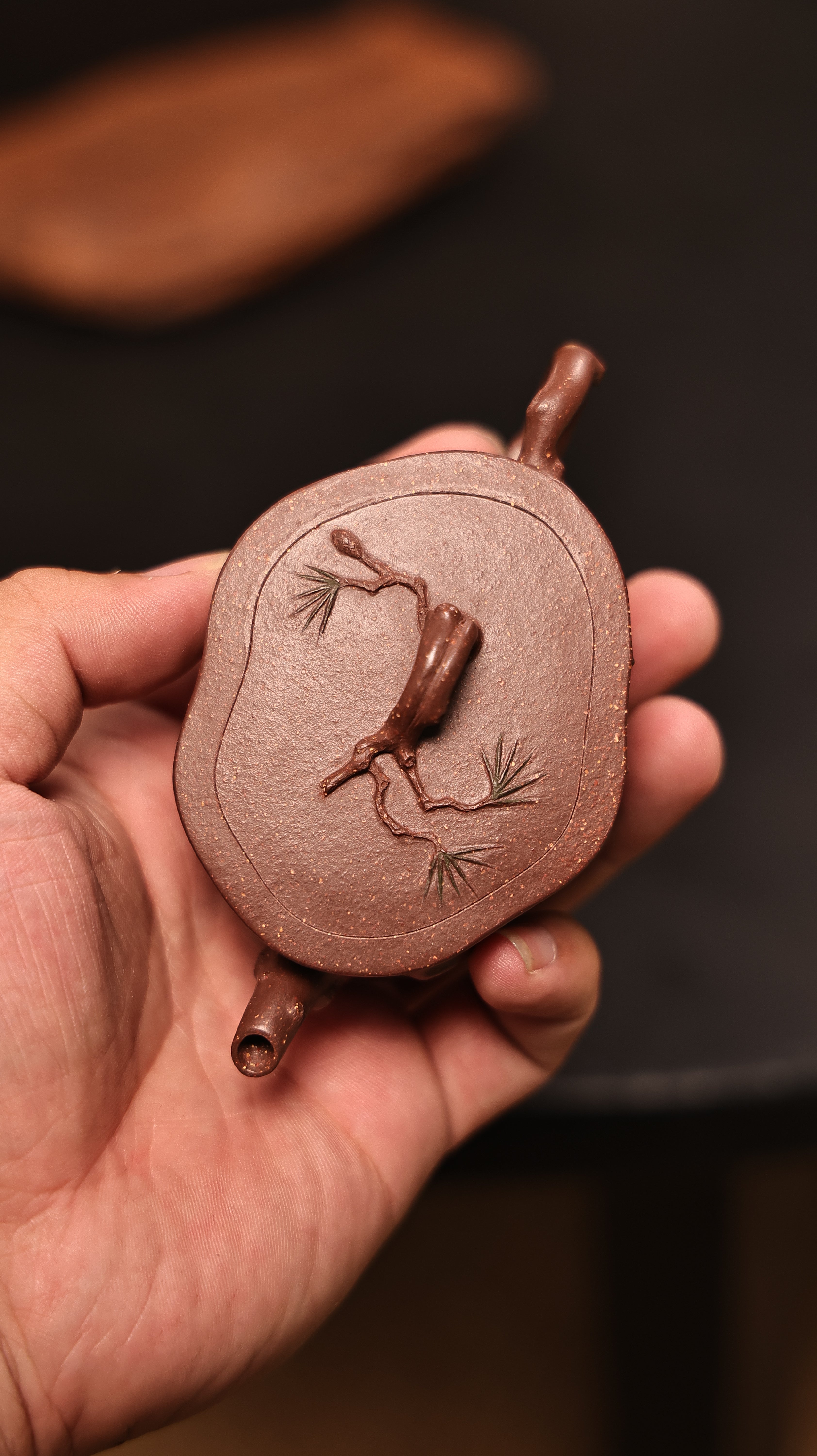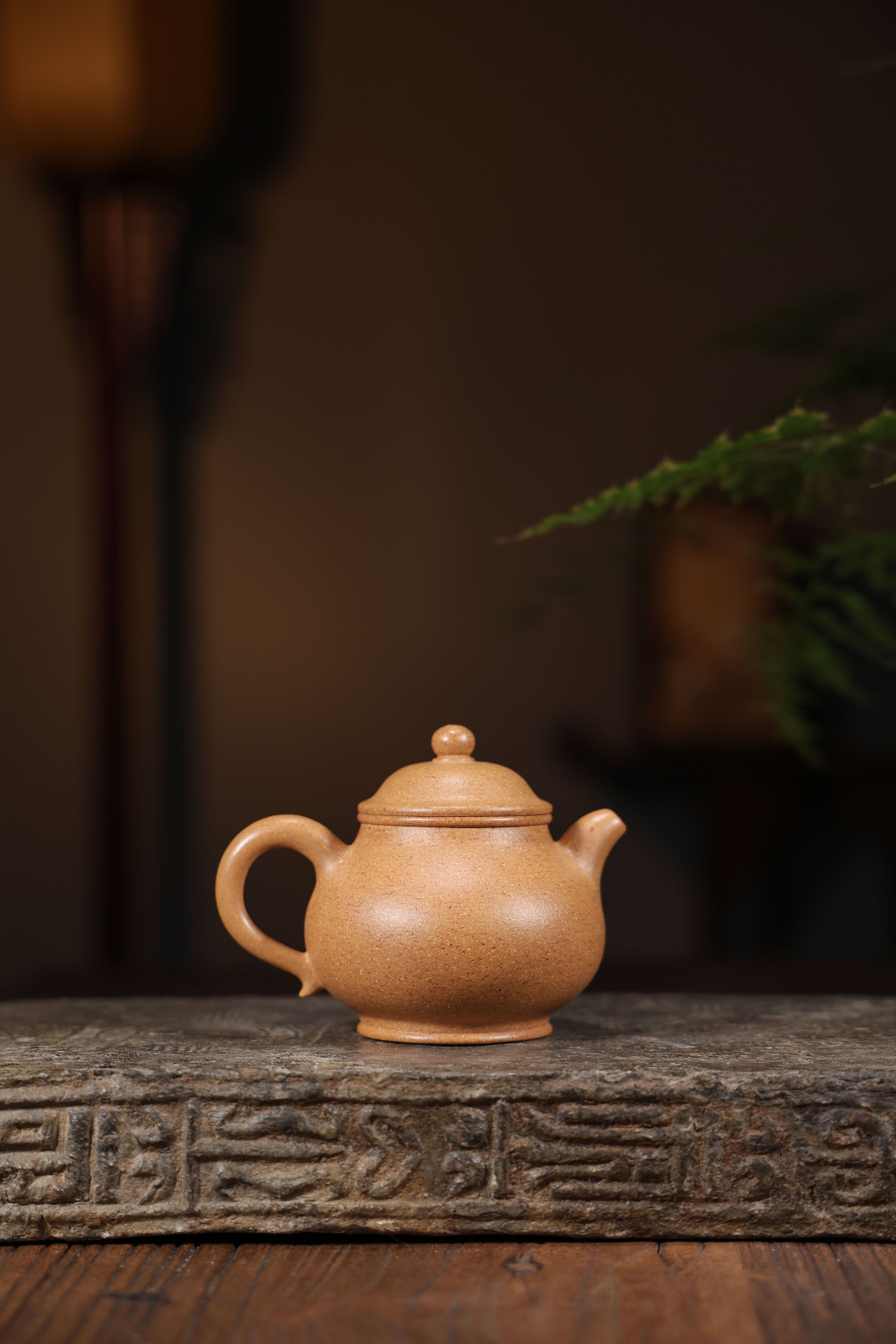
Millennia of connoisseurs have sought the special attraction of Yixing Zisha vessels. Originating in the cozy town of Yixing, the country, these vessels are crafted from a exotic and harvested purple clay esteemed for its superior thermal features and capacity to refine the note of liquids. More than their practical significance, Zisha teapots illustrate a vast historical heritage, fashioning them greatly collectible and a bona fide marvel for any devoted teapot lover.
Surveying Yixing Containers
Such teapots embody a singular combination of history and artisan craftsmanship. Existing in Yixing, Jiangsu Area of China, their narrative dates back the Ming Dynasty, although signs suggest earlier iterations. The rare maroon clay, called Zisha, found solely in the Yixing region, is the principal component, contributing to the pots' outstanding heat retention and the manner they modify the flavor of tea. Continuums of potters have honed techniques—often relayed through families—including coiling the clay, applying sophisticated embellishments, and firing the pots at regulated temperatures.- Historically, Yixing teapots were often enhanced with simple designs.
- Later, more detailed carvings and pictorial motifs became prevalent.
- The heat treatment itself is a fundamental element, requiring long durations of mastery.
Amassing Zisha Teapots: Important Insights
Embarking on a pursuit to assemble Zisha earthenware can be fruitful, but it’s essential to comprehend what to analyze. Authenticity is paramount; focus on the terrain’s natural hue, a soft reddish-brown is traditional. Examine the texture; genuine Zisha has a notable tactile sensation, often expressed as slightly rough. The configuration should be well-proportioned and consistent with traditional styles, while stamps, if present, require precise examination for veracity. Don’t delay to consult with expert connoisseurs or dependable references – their perception is immeasurable.
Oriental Teapots: Discovering the Legacy of original Pottery
Millennia have seen Yixing Purple Clay teapots occupy a important role in Chinese legacy. These exquisitely made pots, sourced solely from the territory of Yixing, are noted for their singular cast, quality, and their ability to enrich the profile of liquids. Legions of collectors seek antique Yixing teapots, valuing them greatly not only for their aesthetic appeal, but also for the past they embody.
Yixing Zisha Teapots: Such Leading Classes and Their Traits
Purple Earthenware teapots, established in the renowned territory of Yixing, the Chinese territory, are noted for their special clay and exceptional brewing capabilities. Among the countless Zisha types, notable classes that are highly admired include Huiwan. Binzhou, known for its dark purple shade and smooth texture, delivers a tempered flavor. Duan Ni category, recognizable by its auburn color and mildly grainy feel, is said to enhance tea’s substance. Lastly, Zhuni sort boasts an extraordinary scarlet tone and can impart a nice nuance. Each sort delivers a different experience, facilitating them notably desirable with beverage enthusiasts.
Perfecting Individual Clay Kettle
To reveal the power of your Yixing kettle, appreciating the correct way is vital. These clay pots, celebrated for their passability, will steadily absorb the soul of the tea you prepare within them. Begin by scraping the container thoroughly with warm water. Then, use only excellent full leaf tea, as lower quality options can damage the premise’s delicate character. Always give the leaves to spread completely, and remember that with each serving, your Yixing container will become more distinct.
Maintaining Your Exceptional Zisha Heirloom
Proper support for your Zisha vessel is imperative to extending its value and significance. Zisha Yixing Zisha Teapot clay, respected for its unique pigmentation and surface, requires specific handling. Never use corrosive cleaners, as these can spoil the finish. After every application, rinse the teapot with moderate temperature water and allow it to cool off completely.
- Eschew soaking the urn for extended times.
- Intermittently use a soft cloth to buff the exterior.
- Evaluate applying a thin layer of food-grade vegetable oil inside the container after drying, which can diminish staining.
Overview of Yixing Pots
Yixing brew vessels, originating from the Yixing district in Jiangsu Province, China, are celebrated for their distinctive features. Constructed from the unique purple compound known as Zisha, these containers are prized by brew enthusiasts worldwide. This digest will plainly explain the fundamentals – covering classes of Zisha ground, prevailing shapes, and important care recommendations. Understanding the tradition of Yixing pitchers can enhance your appreciation for this traditional example of Oriental craftsmanship.
Technique of Asian Teapots: Concentrating on Zisha made in this city of Yixing
Zisha substance from the Yixing territory represents the pinnacle of Yuan vessel design, showing a singular amalgamation of unprocessed beauty and effective artistry. These famous pieces are esteemed for their saturated tints, often ranging from deep purples and rust hues to subtle greys and delicate beiges. The specific mineral composition of the local Zisha soil imparts a characteristic texture and produces a pleasing aroma that enhances the comprehensive extract experience, enabling them notably admired collectibles and indispensable components of any serious practice.