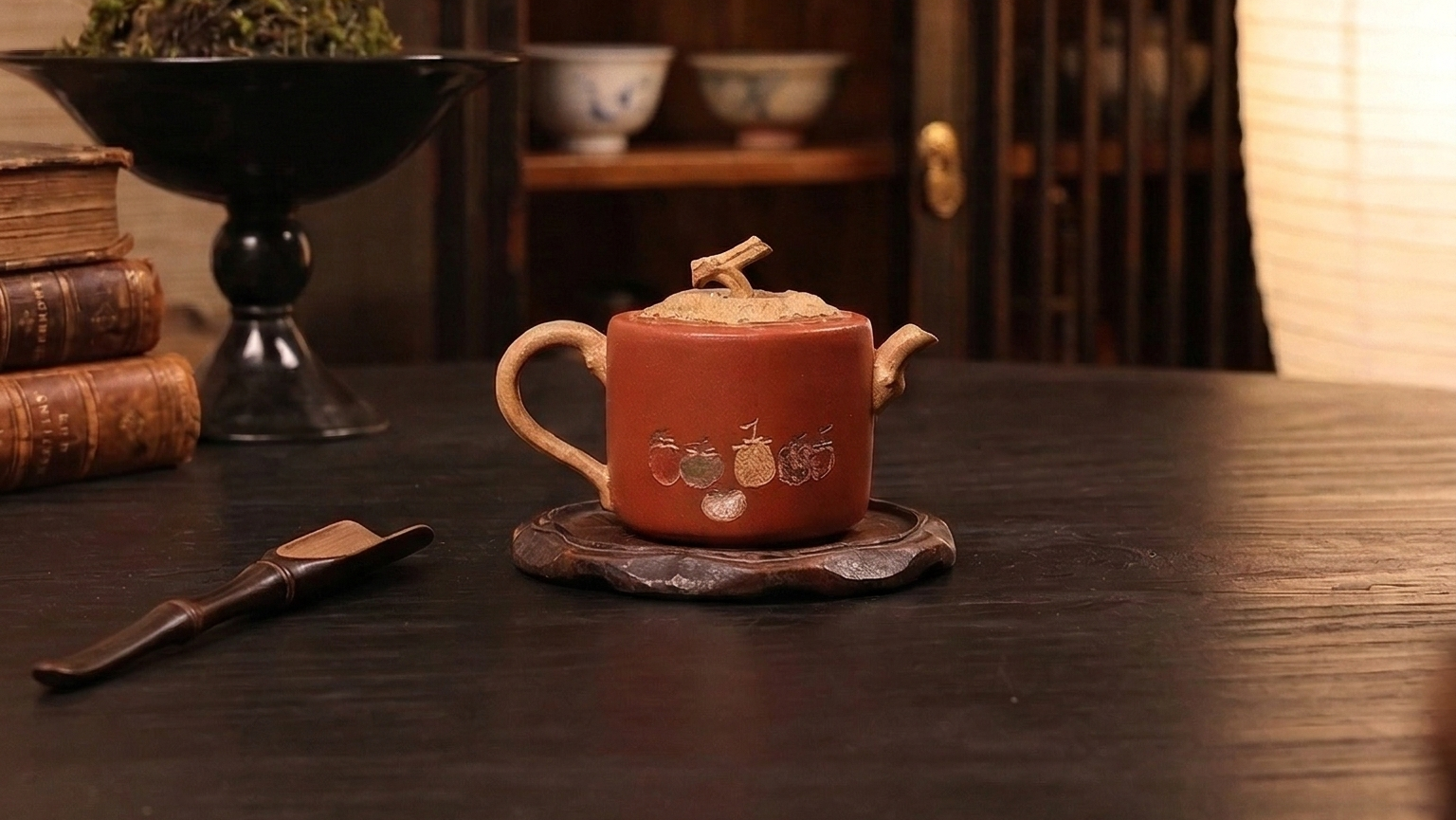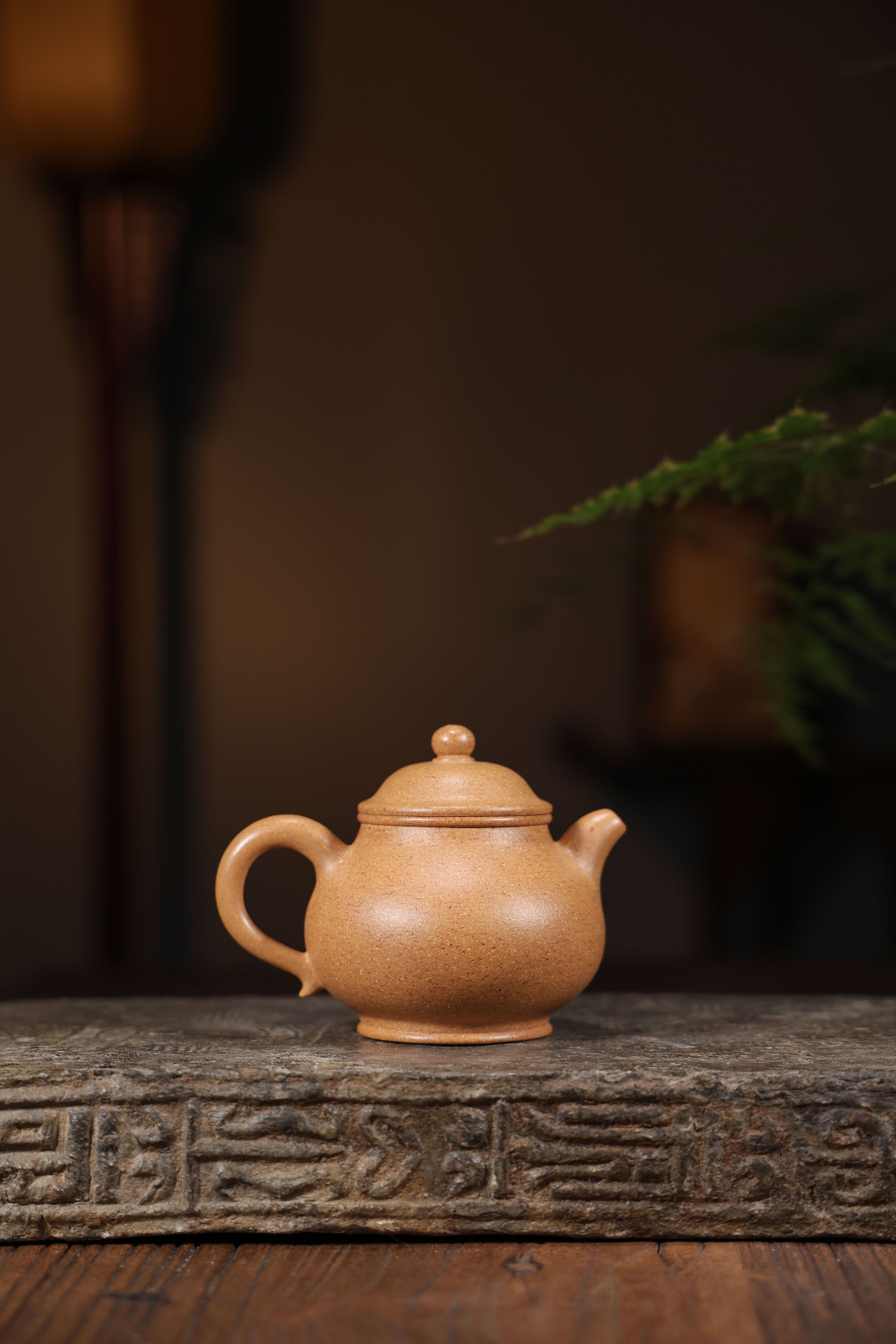
Generations in fans have long pursued the particular magnetism of Yixing Zisha pitchers. Born in the scenic town of Yixing, the territory, these urns are constructed from a infrequent and quarried purple clay renowned for its outstanding thermal properties and efficacy to intensify the essence of infusions. Apart from their useful merit, Zisha teapots manifest a solid traditional legacy, rendering them considerably esteemed and a real gem for any zealous teapot collector.
Investigating Yixing Clay Pots
Famous teapots demonstrate a distinctive fusion of history and expert craftsmanship. Rooted in Yixing, Jiangsu Province of China, their narrative originates in the Ming Dynasty, although manifestations suggest earlier forms. The exceptional auburn clay, called Zisha, found exclusively in the Yixing region, is the fundamental component, contributing to the pots' exceptional heat sustaining and the manner they modify the taste of tea. Epochs of potters have honed techniques—often relayed through families—including forming the clay, applying exquisite embellishments, and firing the pots at controlled temperatures.- Earlier, Yixing teapots were often embellished with simple designs.
- Down the line, more advanced carvings and figurative motifs became accepted.
- The baking itself is a indispensable element, requiring long durations of mastery.
Assembling Zisha Teapots: Key Guidelines
Setting out on a search to accumulate Zisha teapots can be pleasurable, but it’s fundamental to know what to seek. Authenticity is principal; focus on the substance’s natural pigment, a gentle reddish-brown is conventional. Examine the structure; genuine Zisha has a characteristic tactile sensation, often characterized as slightly bumpy. The shape should be appealing and consistent with established styles, while signatures, if present, require meticulous examination for truthfulness. Don’t shy away to consult with knowledgeable enthusiasts or credible databases – their insight is precious.
Eastern Pots: Delving into the Custom of this Zisha
Ages have seen Yixing Purple Earth teapots possess a remarkable role in Chinese civilization. These masterfully created pots, sourced only from the zone of Yixing, are distinguished for their specific complexion, texture, and their ability to improve the flavor of infusions. Several collectors Yixing Zisha Teapot value antique Yixing teapots, appreciating them deeply not only for their aesthetic loveliness, but also for the records they stand for.
Yixing Zisha Teapots: The Best Sorts and Their Details
Yixing Ceramics teapots, developed in the celebrated section of Yixing, the state, are distinguished for their exclusive clay and remarkable brewing powers. Amongst the many Zisha types, certain selections that are highly respected include Tianqing. Binzhou, known for its profound purple shade and even texture, delivers a mild flavor. This Duan Ni variety, recognizable by its chestnut color and fairly grainy feel, is regarded to enhance tea’s body. Lastly, Zhuni class boasts an unique ruby tone and can lend a nice nuance. Each category grants a different experience, facilitating them notably desirable with beverage enthusiasts.
Perfecting Individual Clay Teapot
To reveal the essence of your Yixing kettle, familiarizing oneself with the correct system is key. These clay receptacles, celebrated for their filtering ability, will progressively take on the character of the tea you create within them. Begin by scrubbing the kettle thoroughly with scalding water. Then, use only superior loose leaf tea, as lower quality options can weaken the vessel’s delicate nuance. Always permit the leaves to expand completely, and remember that with each steeping, your Yixing kettle will become gradually cherished.
Conserving Your Priceless Zisha Keepsake
Proper handling for your Zisha jar is necessary to conserving its appearance and appreciation. Zisha clay, hailed for its unique nuance and consistency, requires considerate handling. Never use strong formulas, as these can damage the veneer. After every use, rinse the pot with room temperature water and allow it to ventilate completely.
- Sidestep soaking the kettle for extended stretches.
- At intervals use a soft fabric to dress the exterior.
- Think about applying a thin layer of food-grade fat inside the urn after drying, which can prevent staining.
Basics of Yixing Clay Pots
Yixing containers, originating from the Yixing province in Jiangsu Province, located in China, are celebrated for their distinctive traits. Shaped from the unique purple clay known as Zisha, these containers are prized by brew enthusiasts worldwide. This digest will briefly explain the principles – covering forms of Zisha composite, popular shapes, and vital care recommendations. Understanding the foundation of Yixing jars can enhance your appreciation for this traditional example of Oriental craftsmanship.
Trade of Asian Teapots: Focusing on Zisha made in this city of Yixing
Zisha substance from the Yixing territory represents the pinnacle of Chinese pot design, possessing a singular fusion of unprocessed beauty and effective artistry. These distinguished pieces are esteemed for their dynamic pigments, often encompassing profound purples and orange hues to faint greys and muted beiges. The salient mineral composition of the local Zisha clay imparts a noteworthy texture and renders a gratifying aroma that richens the full concoction experience, enabling them significantly cherished collectibles and necessary components of any serious ceremony.