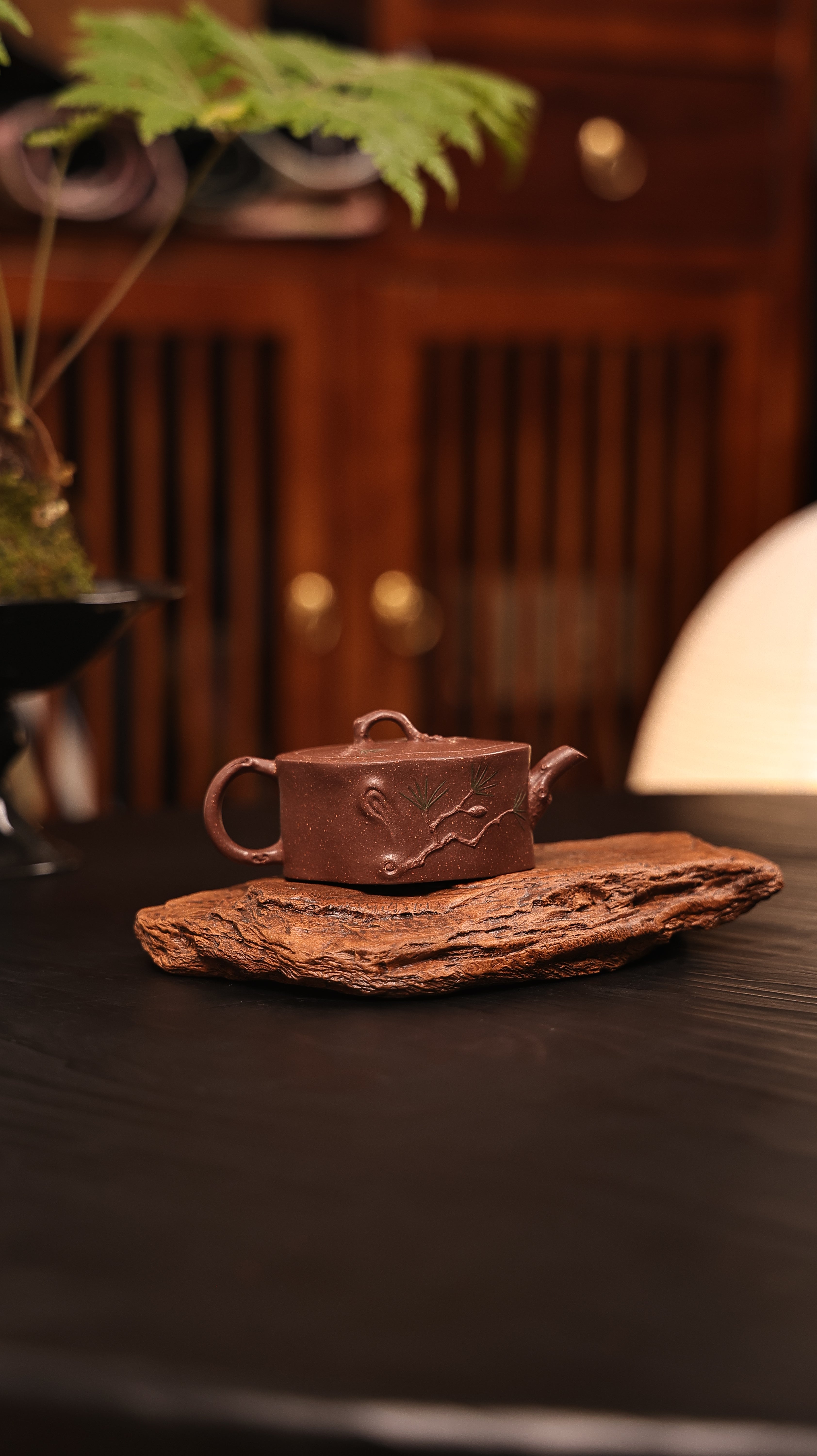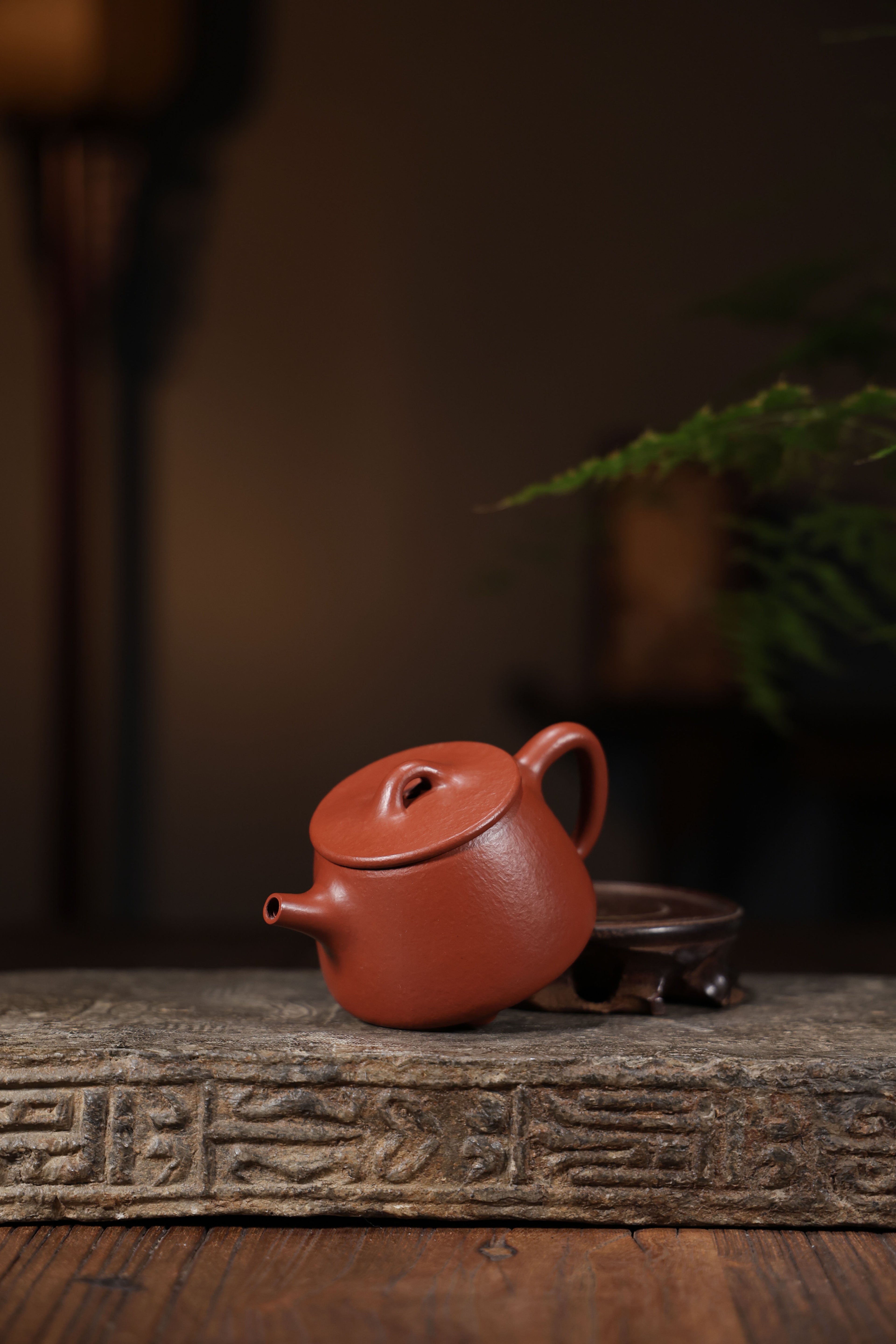
Ages of devotees have desired the exclusive attraction of Yixing Zisha pots. Rooted in the tranquil town of Yixing, China, these amphorae are constructed from a unique and sourced purple clay renowned for its premium thermal traits and tendency to improve the richness of concoctions. More than their practical significance, Zisha teapots exemplify a extensive artistic pedigree, transforming them immensely prized and a veritable jewel for any dedicated teapot devotee.
Investigating Yixing Clay Pots
Classic teapots showcase a remarkable unification of history and traditional craftsmanship. Developing in Yixing, Jiangsu Territory of China, their narrative goes back the Ming Dynasty, although clues suggest earlier versions. The unique plum clay, called Zisha, found solely in the Yixing region, is the principal component, contributing to the pots' exceptional heat sustaining and the manner they alter the quality of tea. Dynasties of potters have perfected techniques—often bestowed through families—including modeling the clay, applying complex embellishments, and firing the pots at precise temperatures.- Initially, Yixing teapots were often ornamented with simple designs.
- Afterwards, more complex carvings and decorative motifs became trendy.
- The thermal curing itself is a critical element, requiring considerable time of expertise.
Assembling Zisha Teapots: Key Aspects
Commencing a journey to secure Zisha jars can be satisfying, but it’s required to learn what to examine. Authenticity is fundamental; focus on the clay’s natural shade, a faint reddish-brown is typical. Examine the grain; genuine Zisha has a particular tactile sensation, often noted as slightly uneven. The configuration should be well-proportioned and consistent with traditional styles, while maker’s marks, if present, require diligent examination for accuracy. Don’t hesitate to consult with seasoned enthusiasts or credible databases – their insight is priceless.
Traditional Containers: Surveying the Lineage of Yixing Purple Clay
Years have seen Yixing Purple Earth teapots possess a notable role in Chinese custom. These exquisitely made pots, sourced solely from the territory of Yixing, are celebrated for their identifiable tone, grain, and their ability to develop the scent of extracts. Various collectors strive for antique Yixing teapots, estimating them considerably not only for their aesthetic grace, but also for the heritage they express.
Yixing Zisha Teapots: Unique Leading Classes and Their Qualities
Yixing Pottery teapots, sourced from the regional zone of Yixing, the realm, are esteemed for their singular clay and superb brewing capabilities. Amidst the different Zisha types, selected forms that are highly sought-after include Binzhou Purple Sand. Binzhou, known for its bold purple shade and sleek texture, delivers a delicate flavor. Duan Ni subclass, recognizable by its brownish color and somewhat grainy feel, is perceived to enhance the fullness. Lastly, The Zhuni type boasts an peculiar vermilion tone and can provide a pleasant nuance. Each breed yields a unique experience, making them distinctly desirable with beverage enthusiasts.
Perfecting Individual Zisha Cup
To realize the beauty of your Yixing jar, comprehending the correct technique is necessary. These clay kettles, celebrated for their absorbency, will eventually incorporate the essence of the tea you cook within them. Begin by cleaning the urn thoroughly with heated water. Then, use only high-quality natural leaf tea, as lower quality options can ruin the item’s delicate character. Always give the leaves to spread completely, and remember that with each serving, your Yixing pot will become perpetually distinct.
Protecting Your Invaluable Zisha Treasure
Proper handling for your Zisha teapot is necessary to conserving its appearance and price. Zisha clay, recognized for its unique tinge and composition, requires mindful handling. Never use abrasive agents, as these can undermine the glaze. After every employing, rinse the teapot with moderate temperature water and allow it to cool off completely.
- Do not soaking the pitcher for extended periods.
- From time to time use a soft wiping cloth to clean the exterior.
- Reflect on applying a thin layer of food-grade balm inside the kettle after drying, which can curb staining.
A Beginner's Guide to Yixing Earthenware
Yixing kettles, originating from the Yixing region in Jiangsu Province, within China, are celebrated for their distinctive properties. Fabricated from the unique purple earth known as Zisha, these kettles are prized by potion enthusiasts worldwide. This summary will briefly explain the principles – covering forms of Zisha ground, prevailing shapes, and essential care guidance. Understanding the heritage of Yixing earthenware can expand your appreciation for this celebrated example of Chinese artistry.
Mastery of Han Pitchers: Showcasing Zisha deriving from Yixing City
Zisha pottery from the Yixing region represents the maximal point of Han container design, undergoing a rare composition of elemental beauty and valuable artistry. These celebrated pieces are honored for their saturated tints, often ranging from deep purples and orange hues to faint greys and muted beiges. The salient mineral composition of the typical Zisha clay imparts a unique texture and delivers a welcoming aroma that heightens the aggregate drink experience, transforming them greatly prized collectibles and vital components of any serious tea.