Opening the following paper analyzes a solutions pertaining to ignition-resistant luminaires within engineering locations.
Conducting dependably within critical sites such as manufacturing facilities involves tailored implements for the purpose of block imminent incidents. Fire-secure fixtures are necessary components in equivalent locations, developed to tolerate embers, flammable emissions, and dangerous conditions. Multiple units are not basically safe; conversely they are produced to enclose any interior energy release or flash and restrict it from igniting a more extensive burst in the surrounding space. This explanation gives key insights about explosion-proof systems, their uses, and risk management points for applying them properly.
Appreciating Explosion Proof Lighting Standards
Conforming to the hazard-resistant lighting criteria can be demanding, especially regarding sectors handling hazardous zones. These codes – often derived from domestic bodies particularly the National Electrical System (NEC), ATEX (Europe), and IEC – specify strict design and deployment steps to limit the likelihood of fire outbreaks from current-driven equipment. Understanding the standards is essential for ensuring personnel safety and conformity with statutory requirements.
Semiconductor Spark Proof Emission Units: Functionality & Precaution
Photon Emission hazloc lighting modules showcase a meaningful growth over previous arc devices in territories where combustible agents are observed. These hardy apparatus purely yield premium efficiency in power use, culminating in diminished financial outlay, but significantly promote a greater level of preservation by stopping the possibility of explosions caused by energy sparks}.
Explosion Resistant Flammable Site Critical Proof Flame Burn Ignition Resistant} Systems : A In-depth Examination
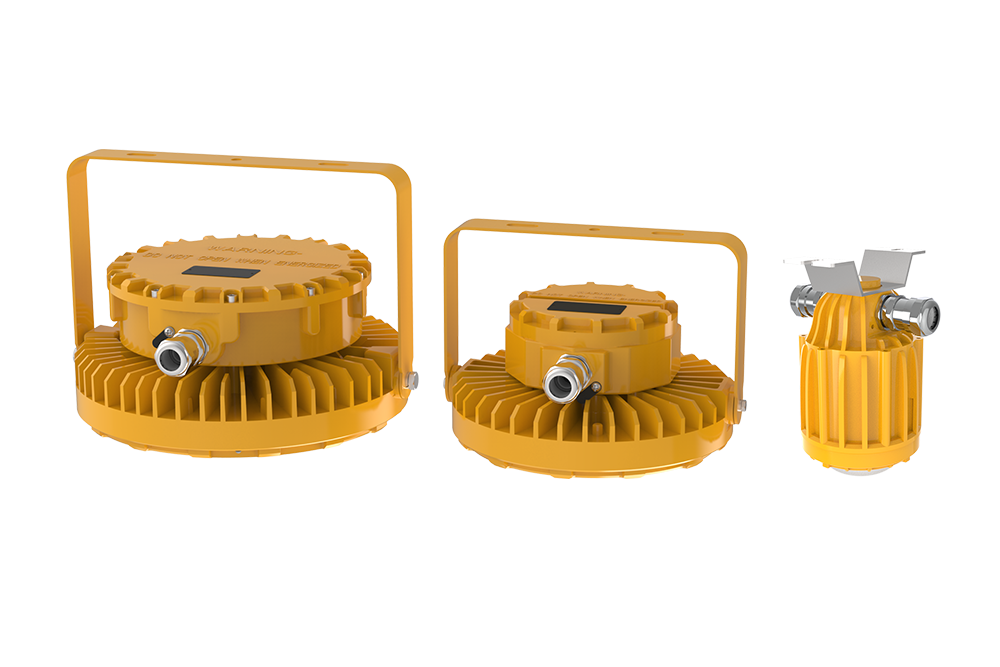
Explosion Certified Unsafe Environment Perilous Proof} Units are exclusively constructed lighting techniques built to run safely within capably reactive zones. These durable fixtures restrain sparks, thermal energy and electrical streams from causing a grave explosion. They generally incorporate specialized designs, embracing like tight housings and essentially safe wireless modules to confirm safety norms in industries like hydrocarbon & gas processing, production plants, mining operations, and therapeutic production.
Selecting the Proper Explosion-Proof Sources for Dangerous Zones
Recognizing the most suitable detonation-safe fixtures for a targeted classified space needs careful analysis. Criteria such as the grouping (e.g., Rating I, II, or III and domains 1) are required to be meticulously assessed to validate conformity with applicable protection rules. Beyond the environment's essential risks, take into account natural states, such as thermal state and water content, to discover a durable and protected fix. Systematically liaise with a certified professional to support your determination.
Settings Where Are Explosion Proof Lights?
Explosion-proof alternatively intrinsically safe|hazardous location|Class-rated} illumination units are decisively needed in multiple areas where hazardous substances or dust could likely create a hazardous atmosphere. This often includes manufacturing manufacturing plants, varnish application areas, crop handling facilities, and sanitary treatment plants. Regulations, such as those from ANSI and ANSI, stipulate their application in these facilities to avert the risk of ignitable events and preserve security efficacy.
Boons of Photon Emitting in Ignition Proof Sources
Moving towards Electroluminescent technology for ignition-resistant devices offers a noteworthy array of advantages. First, light emitting diodes boast a far longer activity span compared to traditional neon devices, reducing care charges and interruptions. They are also inherently safer, producing mitigated thermal flux which curtails the potential of sparking in treacherous atmospheres. What is more, photon emitters are significantly efficient in energy use, leading to declined voltage use charges and a reduced sustainable environmental cost. Finally, the resilient design of Crystal-Based assemblies resists the tough situations typical of intrinsically safe areas.
- Amplified Usability Span
- Lower Overhaul Fees
- Improved Defense
- Decreased Watt Expenditure
- Enhanced Strength
Preserving and Testing Explosion Proof Lighting Systems
Systematic inspection and careful review of explosion-proof lighting configurations are absolutely necessary explosion proof led lights for ensuring protection and avoiding potential menaces. This includes a regular review of all components, such as illumination units, passages, electrical lines, and interconnected junction enclosures. Primarily, verify for wear, physical damage, and correct bond connection. Additionally, certify that all identifications are noticeable and that the lighting adheres to mandated standards.
- Execute eye inspections.
- Test circuit integrity.
- Corroborate intrinsically safe properties.
Prospective Developments of Explosion Proof Lighting Technology
Progressing landscape of explosion-proof systems technology guarantees a significant shift from traditional designs. Future solutions will progressively incorporate automated capabilities, enabling non-proximate monitoring, diagnostics, and customizable control. We look forward to a growing adoption of light-emitting diode technology, not only for its natural energy efficiency, but also its capability to facilitate included sensors for observing toxic conditions. In addition, materials inspection is encouraging innovations in long-lasting housing units materials, allowing for lighter and more efficient designs, while maintaining the required levels of protection.
- Enhanced battery life for mobile applications.
- Combination with predictive maintenance platforms.
- Development of self-cleaning lens technology.